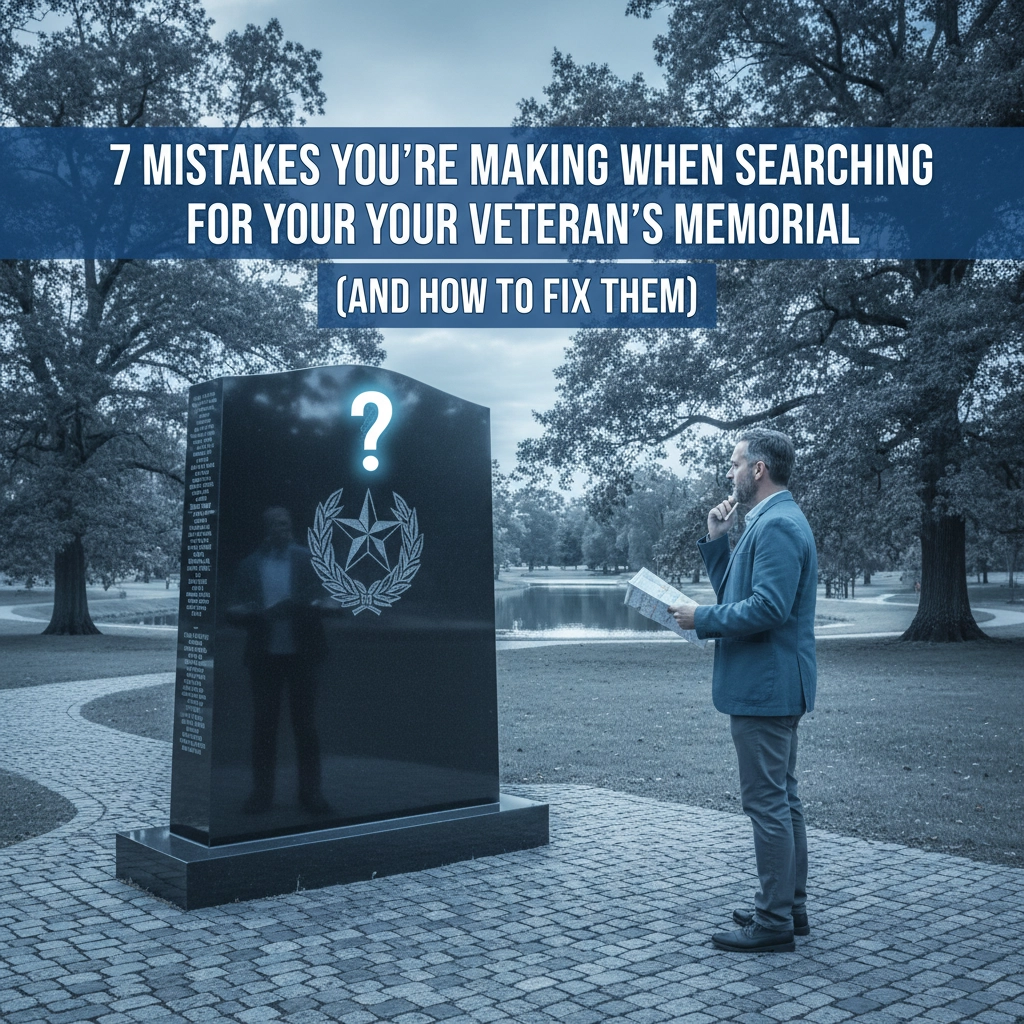
Searching for your loved one's memorial shouldn't feel like navigating a maze blindfolded. Yet thousands of military families struggle every year to locate veteran memorials, often making the same preventable mistakes that turn a meaningful quest into a frustrating dead end.
Your veteran's memory deserves better than a fruitless search that leaves you empty-handed and discouraged. The truth is, most failed memorial searches aren't due to missing memorials: they're caused by simple mistakes that you can easily avoid once you know what to look for.
Transform your search strategy with these seven critical fixes that will help you find your veteran's memorial efficiently and honor their service properly.
Mistake #1: Searching with Only One Name Format
Your biggest obstacle isn't a missing memorial: it's searching with incomplete name variations. Military records often contain multiple name formats for the same person, and memorials may use different versions than what you expect.
At the Korean War Veterans Memorial, countless names were misspelled or formatted incorrectly, making them nearly impossible to locate using standard searches. Some service members with both paternal and maternal surnames had one name removed from records, while others had names so altered they became unrecognizable.
Fix this mistake immediately: Create a comprehensive list of every possible name variation your veteran might have used. Include nicknames, shortened versions, maiden names (for female veterans), and different spellings you've seen on documents. Search for each variation systematically rather than giving up after one attempt fails.
Action step: Write down your veteran's full legal name, then add common misspellings, alternative spellings, and any nicknames they used during service. Many veterans went by different names in military versus civilian life.
Mistake #2: Limiting Your Search to Online Databases Only

Online databases represent just the tip of the memorial iceberg. Your exclusive reliance on digital searches means you're missing thousands of memorials that exist only in physical locations or haven't been digitized yet.
Many local and regional memorials maintain their own records separately from national databases. Cemetery administrators often possess detailed information about veteran burials and memorial markers that never makes it into online systems.
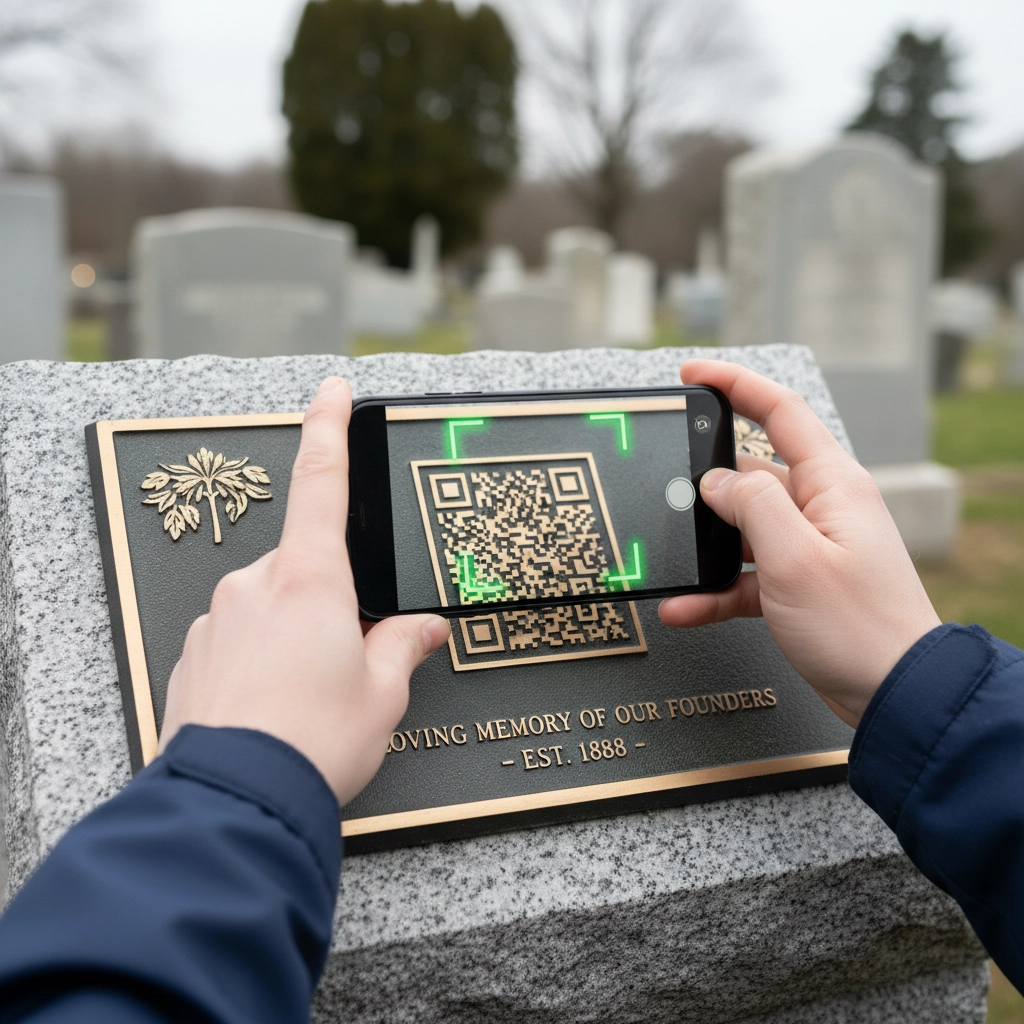
Fix this approach now: Contact cemetery offices, veteran service organizations, and local historical societies directly. These human connections often yield information that digital searches miss entirely. Physical memorial visits can reveal QR codes and informational plaques that provide access to comprehensive digital archives.
Action step: Create a contact list including the cemetery office where your veteran is buried, local VFW posts, American Legion chapters, and county historical societies. Make phone calls: don't just rely on email inquiries.
Mistake #3: Searching Without Proper Documentation
Incomplete or nonspecific evidence turns your search into guesswork rather than systematic investigation. Administrative errors in military records create mismatches across different memorial systems, but proper documentation helps you overcome these obstacles.
Your search effectiveness increases dramatically when you have detailed service records, discharge papers, and unit information. Without these documents, memorial administrators cannot verify connections or locate correct entries in their systems.
Fix this documentation gap: Gather comprehensive military records before beginning your memorial search. Request official service records through the National Archives Veterans' Service Records website. File Freedom of Information Act (FOIA) requests for additional documentation if standard requests don't provide sufficient detail.
Action step: Compile a complete documentation folder including DD-214 discharge papers, service number, unit assignments, deployment locations, and dates of service. Scan these documents for easy sharing with memorial administrators.
Mistake #4: Ignoring Regional and Local Memorial Networks
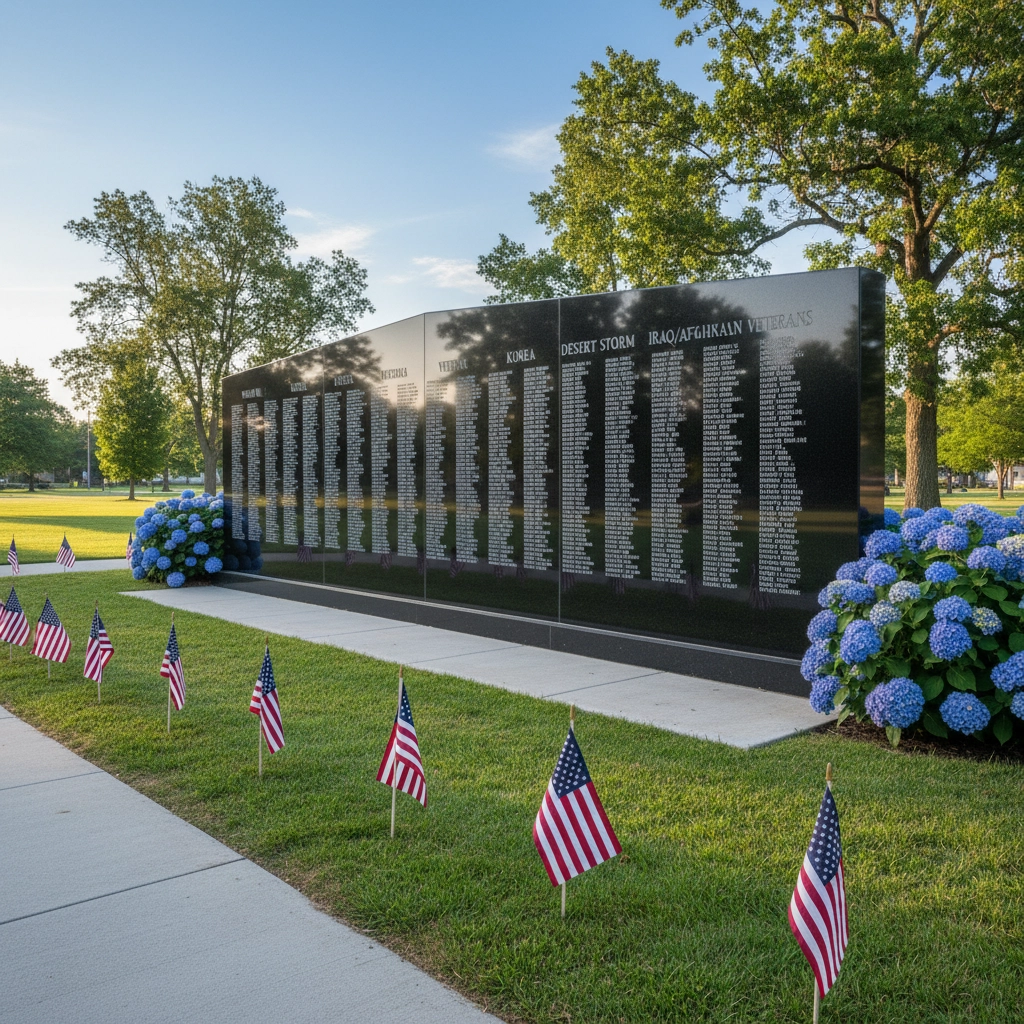
Your focus on national memorials blinds you to the rich network of local and regional memorial sites that often contain the most detailed information about individual veterans. State veteran memorials, county courthouse memorial walls, and community memorial parks frequently include names missing from larger national databases.
Local memorial committees maintain their own research and documentation standards, often including personal details and service stories that national memorials cannot accommodate. These grassroots memorials form the backbone of veteran remembrance in communities across America.
Fix this oversight immediately: Research memorial sites within a 50-mile radius of where your veteran lived, served, or is buried. Contact local veteran organizations, community historical societies, and municipal offices to identify memorial sites you might have missed.
Action step: Visit your county government website and search for veteran memorial information. Contact your city hall and ask specifically about local veteran memorial walls, parks, or commemorative sites maintained by the municipality.
Mistake #5: Not Understanding Memorial Organization Systems
Different memorial sites organize veteran information using various systems: alphabetical by last name, chronological by service dates, geographical by unit assignments, or thematic by conflict periods. Your failure to understand these organizational methods causes you to search in the wrong sections entirely.
Memorial walls often group names by military branch, deployment location, or casualty status rather than simple alphabetical order. Online memorial databases may sort information by entirely different criteria than physical memorial displays.
Fix this confusion now: Before searching any memorial, understand exactly how that specific memorial organizes veteran information. Read memorial guides, contact administrators, and study the memorial's layout system before beginning your search.
Action step: When visiting memorial websites, look for "Search Tips" or "How to Use This Memorial" sections. For physical memorials, always check for informational plaques that explain the memorial's organization system.
Mistake #6: Giving Up After Initial Search Failures
Your premature surrender after one or two failed searches means you're abandoning your quest just when persistence would yield results. Memorial research requires methodical, sustained effort rather than quick attempts that scratch only the surface.
Many successful memorial searches require multiple approaches, different time periods, and various contact methods before yielding results. Memorial administrators may need time to research archives, consult with other organizations, or digitize records that aren't immediately accessible.
Fix this defeatist approach: Develop a systematic search plan that includes follow-up contacts, alternative approaches, and scheduled research sessions spread over several weeks or months. Treat memorial searching as an ongoing project rather than a one-time event.
Action step: Create a search log documenting every method you've tried, contacts you've made, and results you've received. Schedule weekly research sessions to continue your search systematically rather than sporadically.
Mistake #7: Overlooking QR Code Technology at Memorial Sites
Modern memorial technology offers instant access to comprehensive veteran information, but you're walking past QR codes without realizing they contain exactly the detailed information you're seeking. These digital gateways connect physical memorial locations with rich online archives, service histories, and personal narratives.
QR code technology at memorial sites provides immediate access to verified military records, unit information, and service details that aren't available through traditional search methods. Your smartphone becomes a powerful research tool when you use these digital memorial connections.
Fix this technological blindness: Scan every QR code you encounter at memorial sites, cemetery markers, and veteran monuments. These digital connections often provide the comprehensive information that makes your search successful.
Action step: Download a reliable QR code scanner app on your smartphone before visiting any memorial site. Look for QR codes on individual headstones, memorial walls, informational kiosks, and entrance markers.
Transform Your Memorial Search Today
Your veteran's memorial exists: you just need the right approach to find it. These seven fixes eliminate the common mistakes that prevent successful memorial searches and replace frustration with systematic success.
Start implementing these solutions immediately rather than continuing the same ineffective approaches that waste your time and energy. Your veteran's service deserves the honor of being properly remembered and easily found by family members and visitors who want to pay their respects.
Memorial searching becomes manageable when you avoid these critical mistakes and adopt proven strategies that actually work. Your persistence combined with proper techniques will connect you with your veteran's memorial and preserve their legacy for future generations.
Visit Veteran Memorial Project to access advanced memorial search tools and QR code technology that makes finding veteran memorials faster and more comprehensive than traditional methods.