Your memorial organization carries a profound responsibility: preserving the stories and sacrifices of those who served. Yet despite your noble mission, you might be making critical branding mistakes that diminish your impact and alienate the very communities you're trying to serve.
Memorial organizations face unique challenges that commercial brands never encounter. You're not selling products or services; you're stewarding memory, honor, and legacy. When your branding falls short, you risk more than lost revenue: you risk failing the families and communities who depend on you to tell their stories with dignity and authenticity.
The solution lies in an approach many memorial organizations overlook: crowdsourced content. By shifting from top-down messaging to community-driven storytelling, you can transform your brand challenges into your greatest strengths.
The Critical Mistake of Assuming Your Mission Is Self-Evident
You believe everyone understands why your memorial matters. After all, honoring fallen heroes seems universally important, right? This assumption represents your first major branding mistake.
Your visitors don't automatically grasp the deeper significance of your memorial beyond surface-level respect. They need to understand the specific gap you fill, the unique stories you preserve, and the contemporary relevance of historical sacrifice. When you assume your mission speaks for itself, you create a disconnect between your organization's passion and your audience's understanding.
Consider how many memorial organizations simply state "honoring our veterans" without explaining what that honor looks like in practice. Your audience craves specificity: which veterans, what aspects of their service, and how your particular approach differs from countless other memorial efforts.
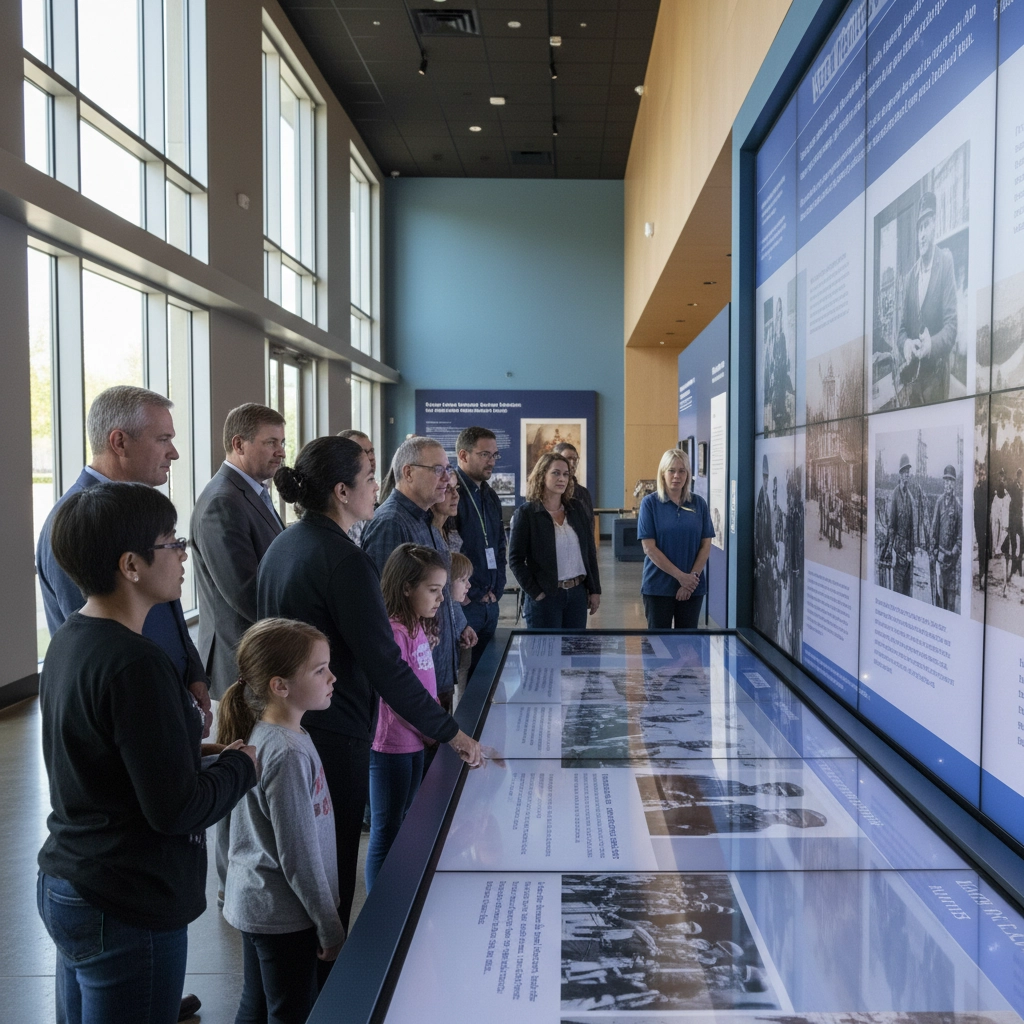
Crowdsourced content solves this clarity problem by letting community members tell your story in their own words. When family members share why your memorial matters to them, when students describe how virtual tours changed their perspective, or when local historians explain the significance of preserved artifacts, your mission becomes tangible rather than abstract.
Speaking Over Your Community Instead of With Them
Your second critical mistake involves developing messaging in isolation from the communities you serve. You craft careful statements about honor and remembrance, but these polished words often fail to resonate with real families dealing with real grief and pride.
Professional copywriters, no matter how skilled, cannot capture the authentic voice of military families who've experienced loss. Your institutional language, while respectful, lacks the emotional authenticity that comes from lived experience. This disconnect creates a barrier between your organization and the people whose stories you're trying to preserve.
Military families use different language when describing their loved ones' service. They share details that professional writers would never think to include. They emphasize aspects of character and sacrifice that institutional messaging typically overlooks. When you rely solely on internal content creation, you miss these nuanced perspectives that make stories truly compelling.
Crowdsourced content bridges this authenticity gap by amplifying genuine voices. Instead of describing what sacrifice means in general terms, you can share actual testimonials from Gold Star families. Rather than explaining the importance of military service, you can feature stories from veterans themselves describing specific moments that defined their experience.
Creating Visual Disconnects That Undermine Your Message
Your visual branding choices carry enormous weight in memorial contexts. Stock photos of flags and generic military imagery fail to capture the personal nature of individual sacrifice. Overly polished designs can feel corporate and cold when your audience seeks warmth and humanity.
Many memorial organizations default to formal, institutional aesthetics that create emotional distance rather than connection. Your brand becomes visually indistinguishable from government agencies or corporate patriotic marketing. While respect is crucial, sterile presentation can actually dishonor the vibrant lives you're commemorating.
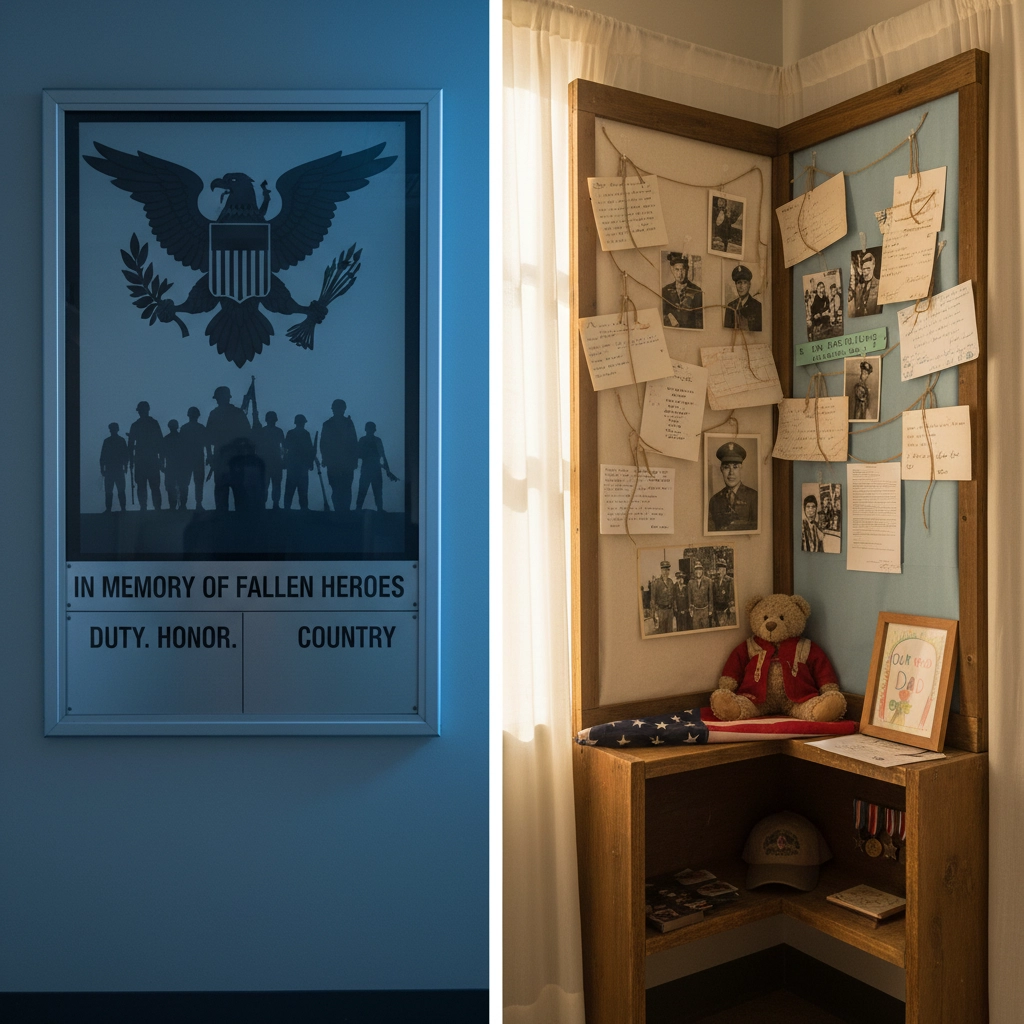
The families and communities connected to your memorial have access to authentic visual content that no stock photo library can match. Personal photographs, handwritten letters, service memorabilia, and candid moments capture the human side of military service that formal imagery misses entirely.
Crowdsourced visual content transforms your brand from institutional to intimate. Family photos show veterans as fathers, mothers, and community members, not just service members. Personal artifacts tell stories that professional photography cannot convey. Community-contributed images reflect diverse perspectives and experiences rather than singular institutional viewpoints.
Maintaining One-Way Communication When Your Audience Craves Dialogue
Traditional memorial organizations operate as authoritative voices speaking to passive audiences. You create content, share information, and expect your community to receive your message without meaningful interaction. This top-down approach misses the collaborative nature of memory and storytelling.
Your community members aren't just content consumers: they're content creators with stories, insights, and perspectives that enrich your memorial's narrative. When you limit their role to passive reception, you waste valuable storytelling resources and create missed opportunities for deeper engagement.
Modern audiences, especially younger generations, expect participatory experiences rather than one-way information delivery. They want to contribute their own family stories, share their grandfather's war letters, or add context to historical events from their unique perspectives.
Implementing Crowdsourced Content Strategies That Transform Your Brand
Start by creating structured opportunities for community contribution. Develop story submission forms that guide contributors while preserving authentic voices. Ask specific questions that elicit compelling details: What was your loved one like before their service? What did they hope to accomplish? How did their community remember them?
Establish content curation processes that maintain quality while preserving authenticity. Your role shifts from primary content creator to thoughtful curator and facilitator. You can edit for clarity and length while maintaining the contributor's unique voice and perspective.
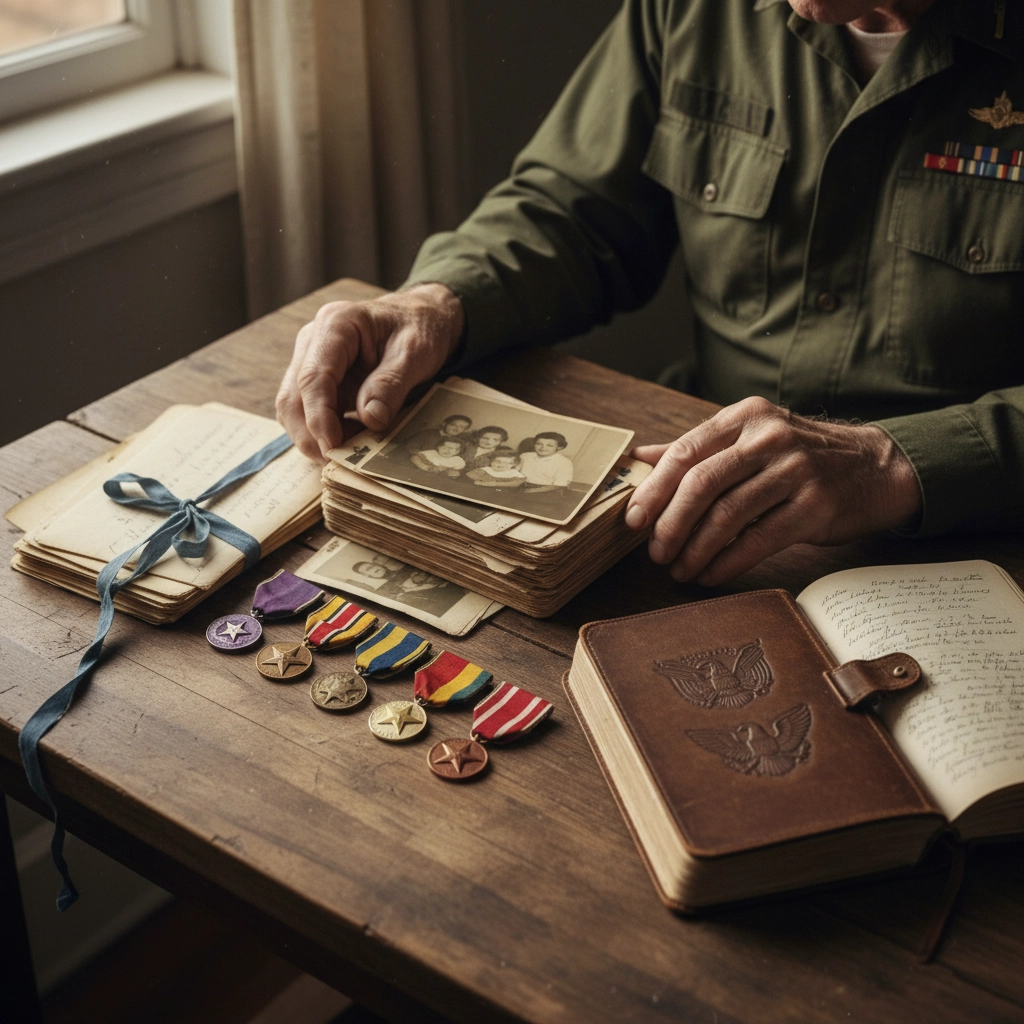
Create themed storytelling campaigns that generate focused content around specific topics. "Letters from Home" might feature correspondence between service members and their families. "Before the Uniform" could share stories about veterans' civilian lives and personalities. These campaigns provide structure while encouraging diverse contributions.
Develop multimedia submission options that accommodate different comfort levels and technical abilities. Some community members prefer written submissions, while others might contribute audio recordings or video testimonials. Multiple formats ensure broader participation and richer content variety.
Building Sustainable Community Engagement Through Shared Storytelling
Transform your memorial organization from a single voice into a chorus of community perspectives. Train volunteers to conduct interviews with elderly veterans or family members, creating archived oral histories that preserve voices that might otherwise be lost.
Establish partnerships with local schools, historical societies, and military organizations to expand your contributor network. Student projects can generate fresh perspectives on historical events, while veteran organizations can provide access to diverse service experiences and time periods.
Create feedback loops that show contributors how their stories impact your mission. Share engagement statistics, visitor testimonials, and examples of how individual contributions enhanced your memorial's effectiveness. This recognition encourages continued participation and attracts new contributors.
Measuring Success Through Authentic Engagement Metrics
Track engagement quality rather than just quantity. Monitor how long visitors spend with crowdsourced content compared to institutional messaging. Measure story sharing rates and community discussion levels around contributed content.
Document the emotional impact of authentic storytelling through visitor feedback and family testimonials. These qualitative metrics often prove more valuable than traditional analytics for memorial organizations focused on meaningful connection rather than commercial success.
Your crowdsourced content strategy succeeds when community members become active storytellers rather than passive recipients of your messaging. When families eagerly contribute their loved ones' stories and visitors leave feeling personally connected to individual lives rather than abstract concepts of service, your branding has achieved its true purpose.
By embracing community voices and authentic storytelling, you transform your memorial organization from institutional authority into collaborative guardian of shared memory. This shift doesn't diminish your expertise; it amplifies your impact through the power of genuine human connection.