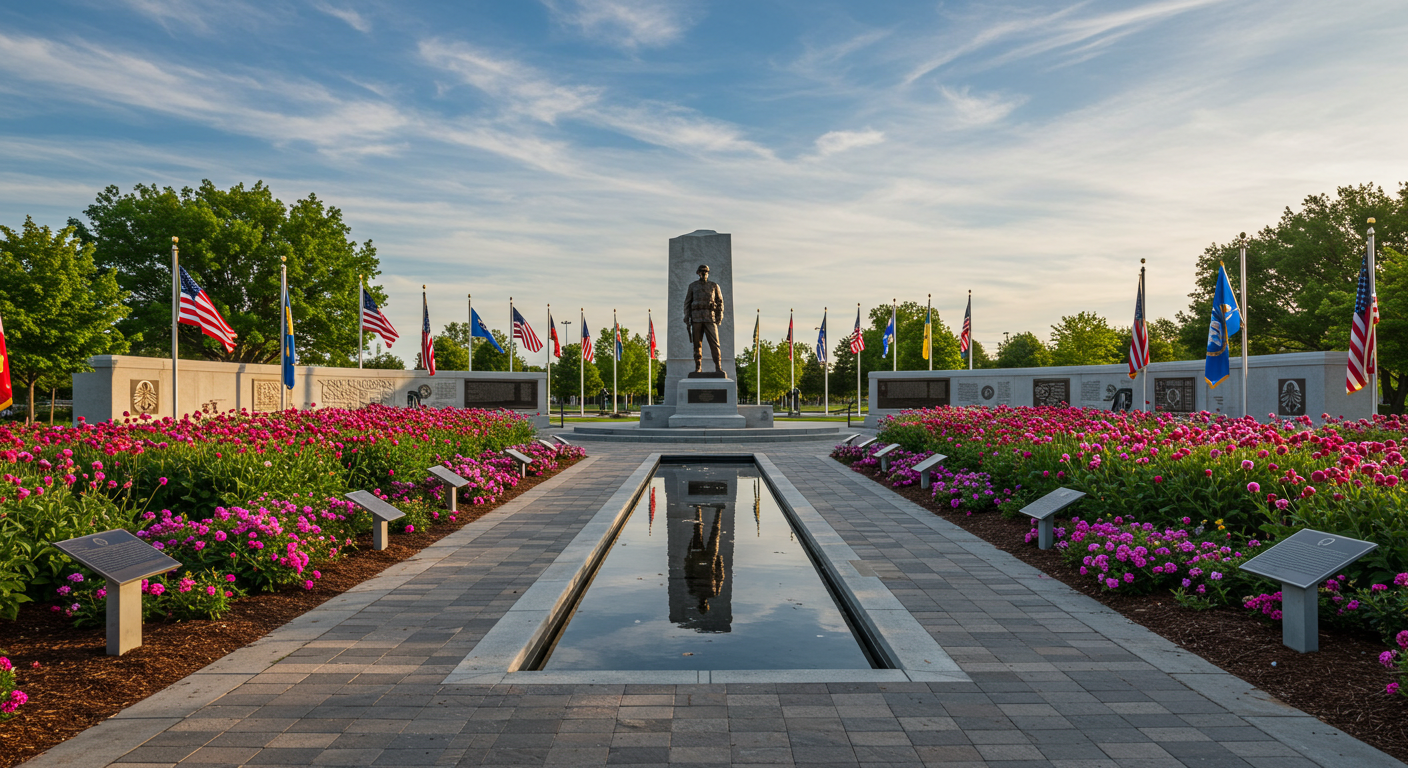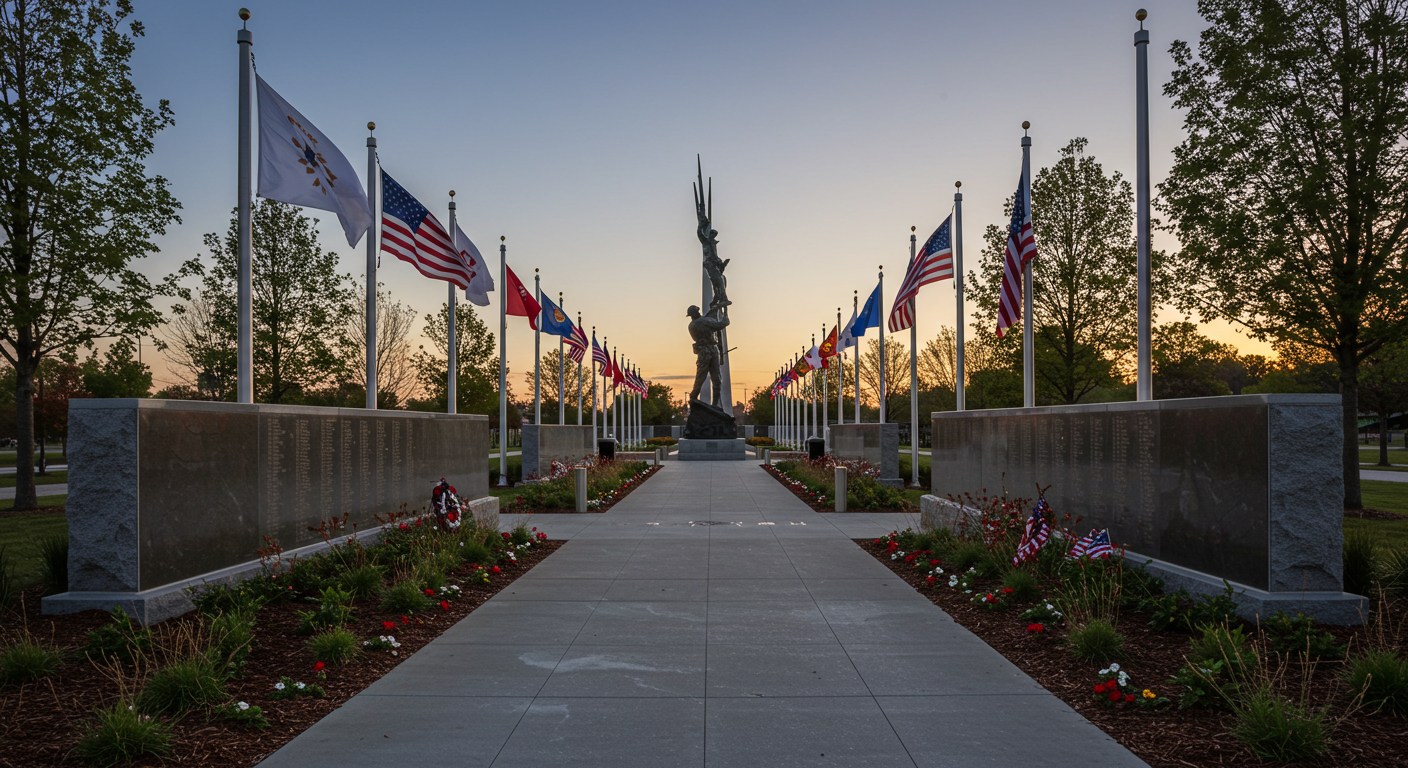
Picture this: Your grandfather served at Normandy during World War II, but you've never been able to visit the sacred grounds where he fought. Physical distance, financial constraints, or mobility challenges have kept you from experiencing that profound connection to his service. Today, virtual reality technology is breaking down these barriers, transforming how you access and experience veteran memorials across the globe.
VR technology is revolutionizing military heritage preservation by creating immersive digital experiences that transport you directly into historically significant locations. You no longer need to travel thousands of miles or navigate physical limitations to honor the sacrifices of service members. Instead, you can step into these sacred spaces from your living room, classroom, or local community center.
Breaking Down Geographic and Physical Barriers
Transform your understanding of memorial accessibility by embracing VR's power to eliminate traditional constraints. The Normandy American Center now offers virtual experiences of Omaha and Utah Beaches, where over 9,380 American soldiers made the ultimate sacrifice during the D-Day Invasion. You can walk these hallowed grounds virtually, experiencing the terrain and understanding the strategic challenges our veterans faced without the need for international travel.
Consider the American Revolution Virtual Reality Experience, which provides 360-degree immersive tours of historical battlefields and military camps. You witness camp life, observe battle formations, and explore the aftermath of Revolutionary War conflicts through panoramic experiences that traditional documentation simply cannot provide. These virtual tours create emotional connections that bridge generational gaps between you and the veterans who shaped our nation's history.
VR technology removes financial barriers that prevent many military families from visiting distant memorials. You eliminate accommodation costs, travel expenses, and time off work while still gaining profound insights into your family's military heritage. This democratization of access ensures that geography never again determines your ability to honor service members or understand their sacrifices.
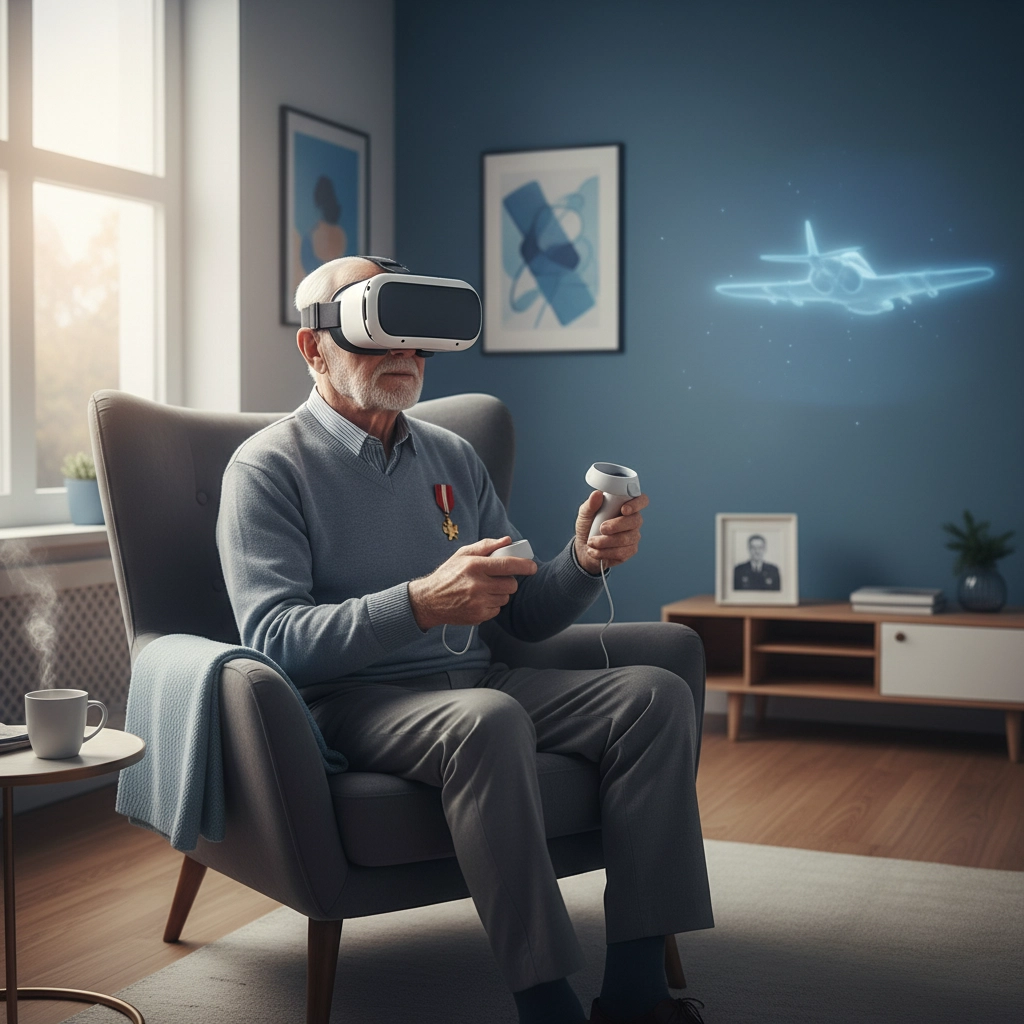
Physical limitations no longer restrict your memorial experiences. Elderly veterans, individuals with mobility challenges, and those with health concerns can now explore memorial sites that would otherwise remain inaccessible. You create inclusive opportunities for all community members to engage with military heritage, regardless of their physical capabilities.
Immersive Educational Experiences That Honor Service
Dive deep into military history through VR experiences that provide context impossible to achieve through traditional methods. Port Battery in Gdańsk demonstrates how digital reconstruction techniques preserve and present military heritage sites. You explore not only current structures but also digitally reconstructed portions that have been destroyed over time, gaining complete understanding of how these strategic military positions evolved.
Experience the full scope of military operations through immersive environments that place you in historical contexts. Walk through trenches, observe strategic positioning, and understand tactical decisions from the perspective of the soldiers who lived them. These experiences create respect and appreciation for military service that transcends traditional educational approaches.
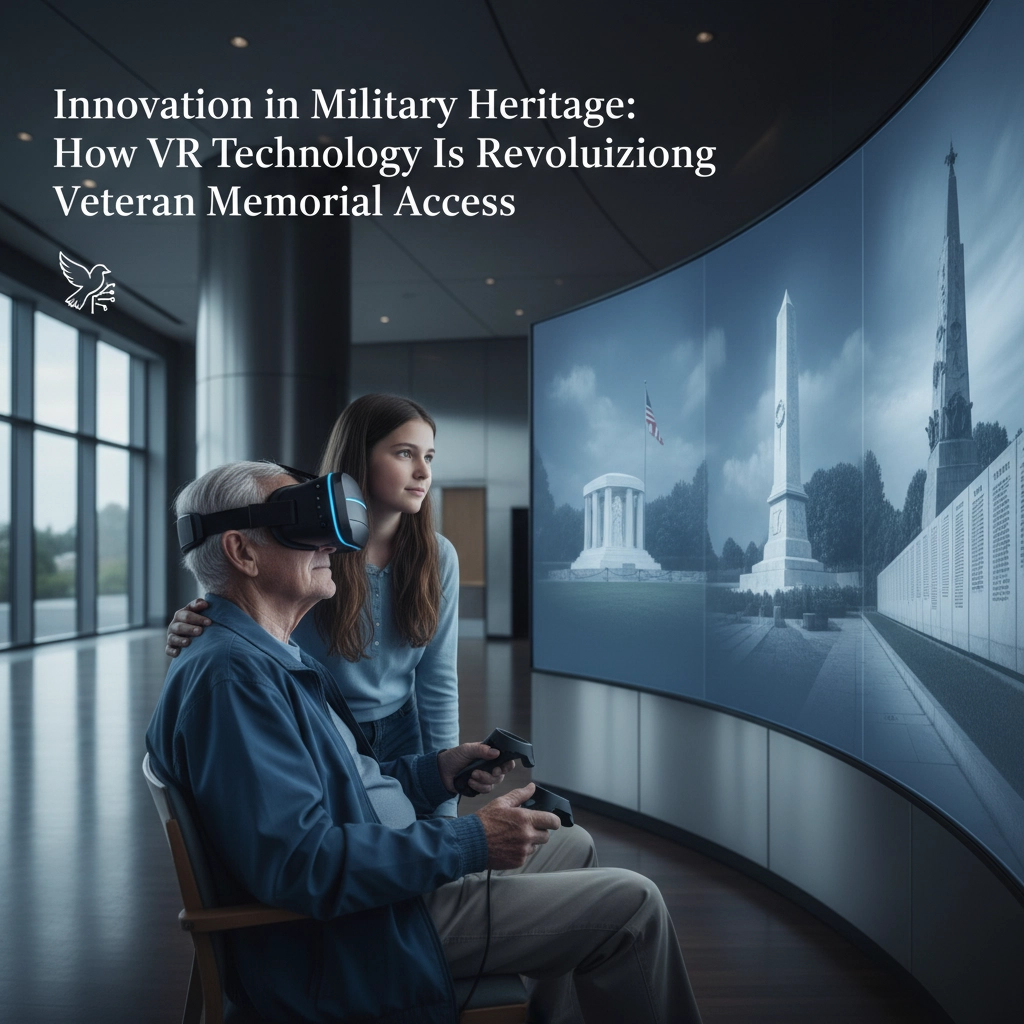
Engage multiple generations in military heritage through shared virtual experiences. Bring grandchildren together with veteran grandparents in digital environments where stories come alive through visual representation. You create opportunities for knowledge transfer that strengthen family bonds while preserving military legacies for future generations.
Utilize VR's interactive capabilities to explore military equipment, uniforms, and living conditions that defined different eras of service. You examine historical artifacts in detail, understanding how technology evolved and how service members adapted to changing warfare conditions. This hands-on exploration deepens your appreciation for the challenges veterans faced throughout different conflicts.
Preserving Military Heritage for Future Generations
Protect vulnerable memorial sites through comprehensive digital documentation that captures every detail before deterioration or destruction occurs. VR technology creates permanent records of military heritage sites threatened by natural disasters, urban development, or conflict damage. You ensure that future generations maintain access to these sacred spaces even if physical structures face challenges.
Document oral histories and veteran testimonies within virtual environments where stories connect directly to physical locations. You preserve not just the visual aspects of memorial sites but also the personal narratives that give these places meaning. This integration of storytelling with virtual exploration creates powerful preservation tools that maintain both physical and emotional heritage.
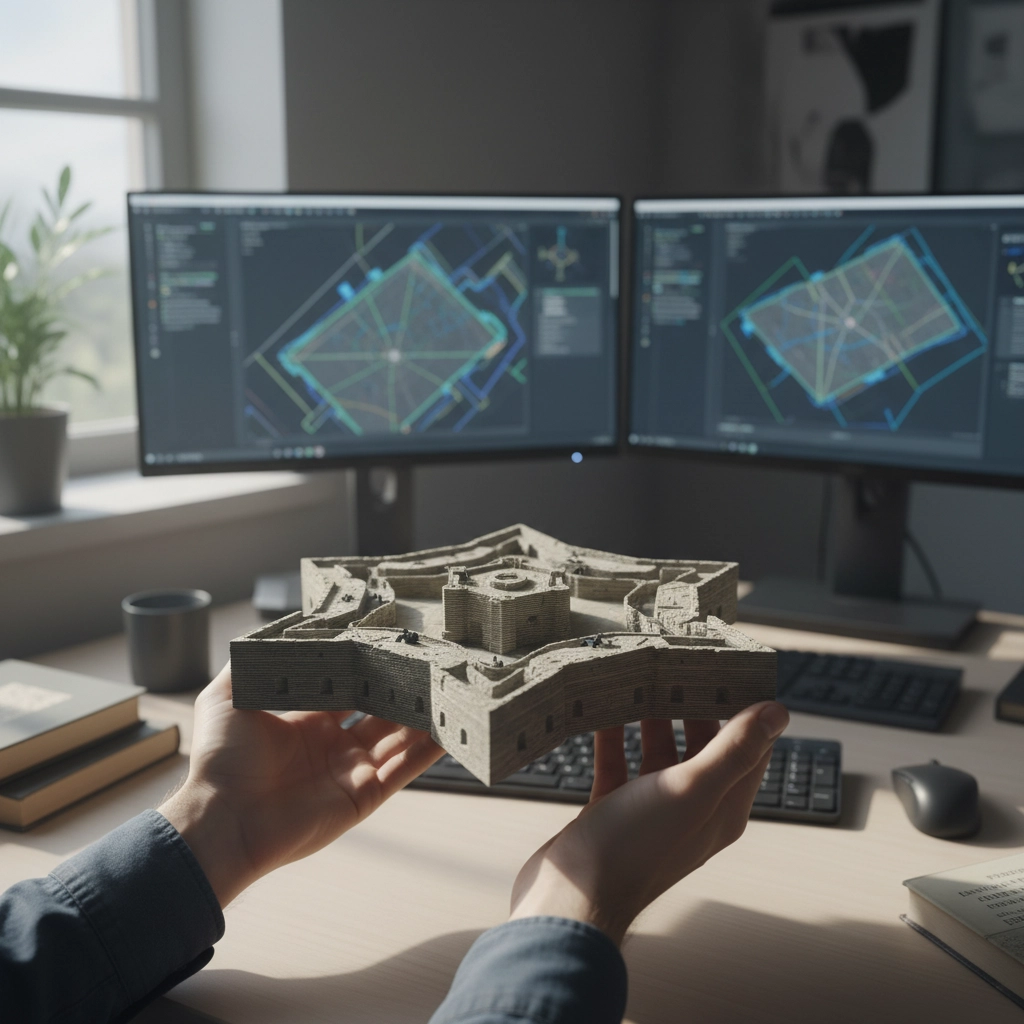
Archive detailed structural information that aids preservation specialists in maintaining physical memorial sites. VR documentation provides comprehensive records of materials, construction techniques, and architectural details that support ongoing maintenance efforts. You contribute to long-term preservation strategies that protect these sites for future memorial visits.
Create searchable digital libraries where researchers, educators, and families can access military heritage information organized by conflict, unit, or geographical location. You build comprehensive resources that support genealogical research, academic study, and personal family history exploration through interconnected virtual experiences.
Educational Applications in Schools and Communities
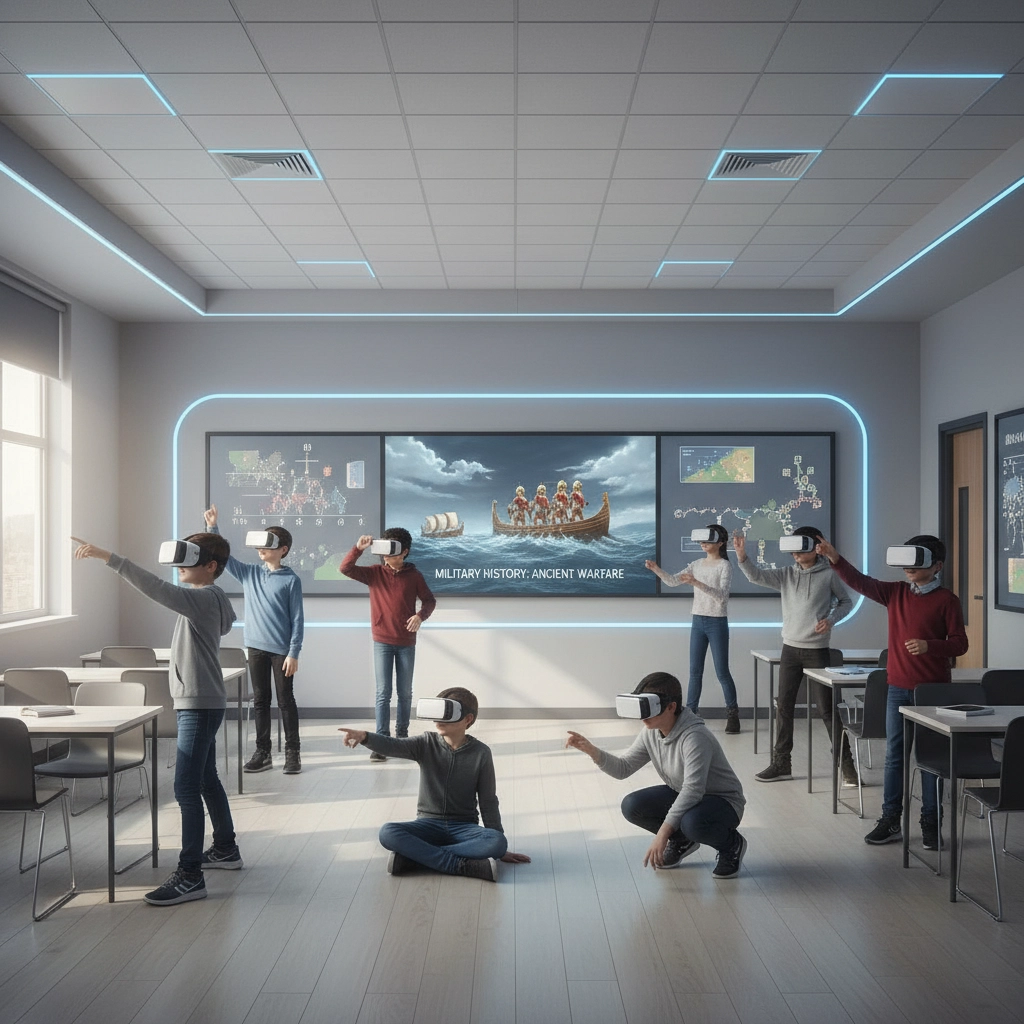
Transform classroom learning by bringing military history directly to students through immersive VR experiences. Teachers use virtual memorial tours to supplement textbook learning with experiential education that creates lasting impressions. You help students understand the human cost of freedom through emotional connections that traditional teaching methods cannot achieve.
Develop curricula that combine virtual memorial visits with veteran interviews, historical research projects, and community service initiatives. Students explore memorial sites virtually, then interview local veterans whose service connects to these locations. You create comprehensive educational experiences that honor both local heroes and national military heritage.
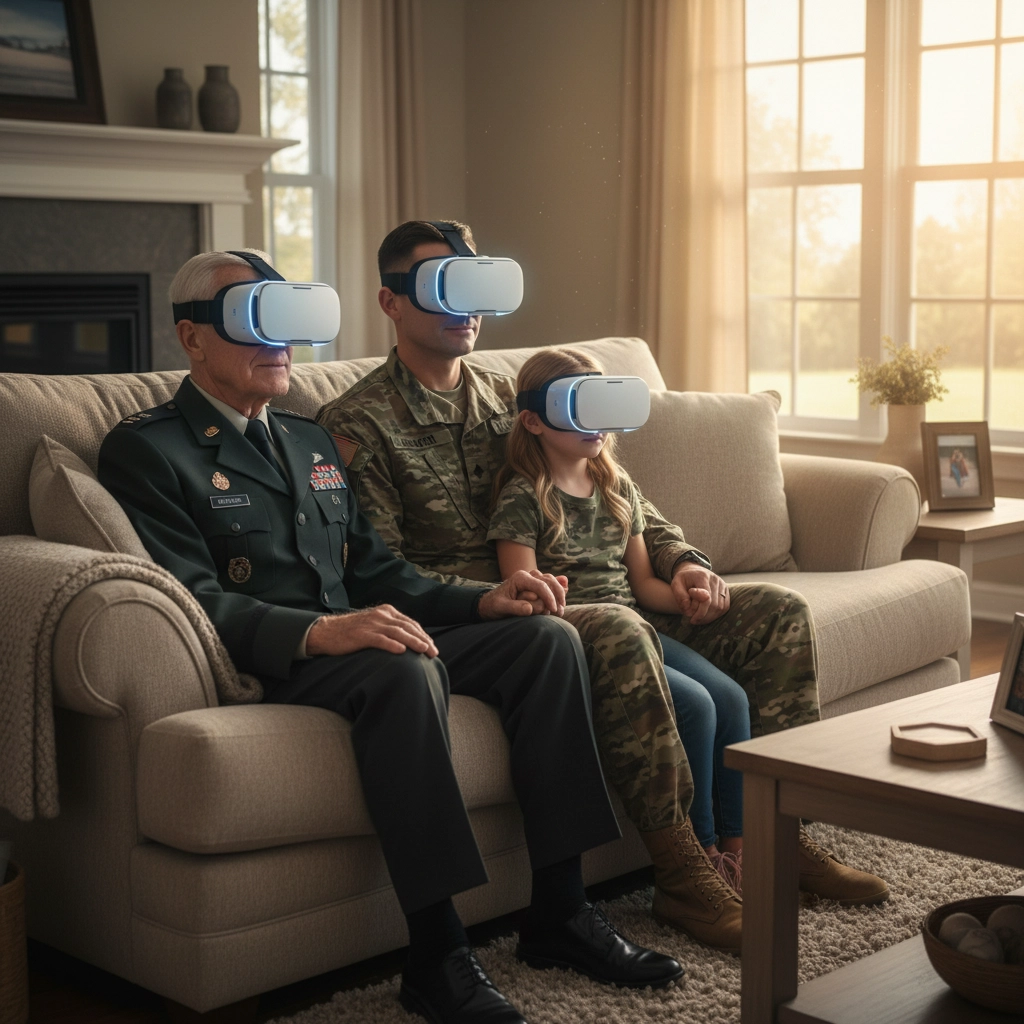
Organize community events where families gather to explore virtual memorials together. Libraries, community centers, and veteran organizations host VR memorial experiences that bring neighborhoods together around shared appreciation for military service. You strengthen community bonds while ensuring that military heritage remains relevant to younger generations.
Partner with veteran organizations to create guided virtual tours led by service members who can provide personal insights and historical context. You combine technological innovation with human storytelling to create educational experiences that honor both individual service and collective military history.
The Future of Memorial Access and Preservation
Embrace emerging technologies that will further enhance virtual memorial experiences. Artificial intelligence will personalize virtual tours based on your family's military history, highlighting specific units, battles, or memorial sections relevant to your heritage. You anticipate increasingly sophisticated experiences that create deeper personal connections to military service.
Integrate augmented reality features that overlay historical information onto physical memorial sites during in-person visits. You enhance traditional memorial experiences with digital information that provides context, stories, and interactive elements impossible to achieve through static displays alone.
Support crowdsourced documentation projects where community members contribute photos, stories, and historical information to expand virtual memorial databases. You participate in collaborative preservation efforts that ensure comprehensive representation of military heritage from multiple perspectives and experiences.
Virtual reality technology represents more than just technological advancement: it embodies our commitment to ensuring that no veteran's service goes unremembered due to barriers beyond our control. By embracing these innovative tools, you help create a future where every military family can access, explore, and honor the sacred spaces where service members made their sacrifices.
Ready to explore how VR technology can help preserve your family's military heritage? Visit our digital memorial resources to discover how virtual reality is transforming veteran remembrance and creating new opportunities for honoring service members across all generations.