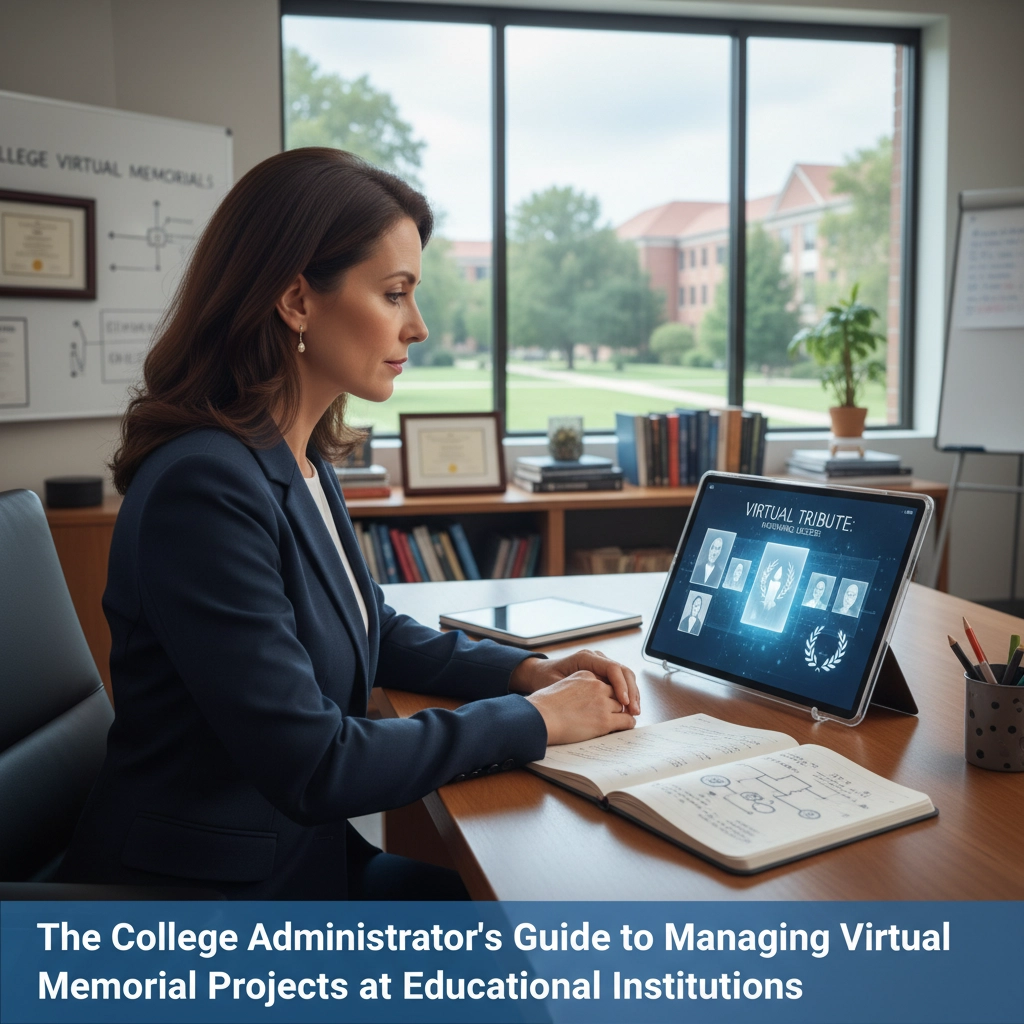
Your institution holds countless stories of service, sacrifice, and remembrance. Whether honoring alumni who served in the military, commemorating historical events, or creating spaces for collective healing, virtual memorial projects offer unprecedented opportunities to engage your campus community in meaningful ways.
Managing these digital spaces requires strategic planning, thoughtful execution, and ongoing commitment. Transform your approach to campus memorials by implementing virtual platforms that break down geographic barriers while fostering deeper connections to your institution's legacy.
Planning Your Virtual Memorial Project Strategy
Define your project's core purpose before diving into technical specifications. Ask yourself what specific need your virtual memorial addresses within your campus community. Are you honoring military veterans among your alumni? Creating a space for remembering tragic campus events? Commemorating significant historical moments tied to your institution?
Establish clear objectives that align with your educational mission. Virtual memorials serve dual purposes: they preserve important memories while creating learning opportunities for current and future students. Your project should enhance curriculum, support student research, and provide accessible resources for academic exploration.
Set realistic timelines and budget parameters early in the planning process. Virtual memorial projects typically require 6-12 months for full implementation, depending on complexity and community involvement. Factor in costs for platform development, content management systems, ongoing maintenance, and promotional activities.
Identify key stakeholders who will champion your project. Successful virtual memorials require buy-in from academic departments, student organizations, alumni associations, and campus leadership. Build a diverse planning committee that represents various perspectives and expertise areas.
Engaging Students and Community Members
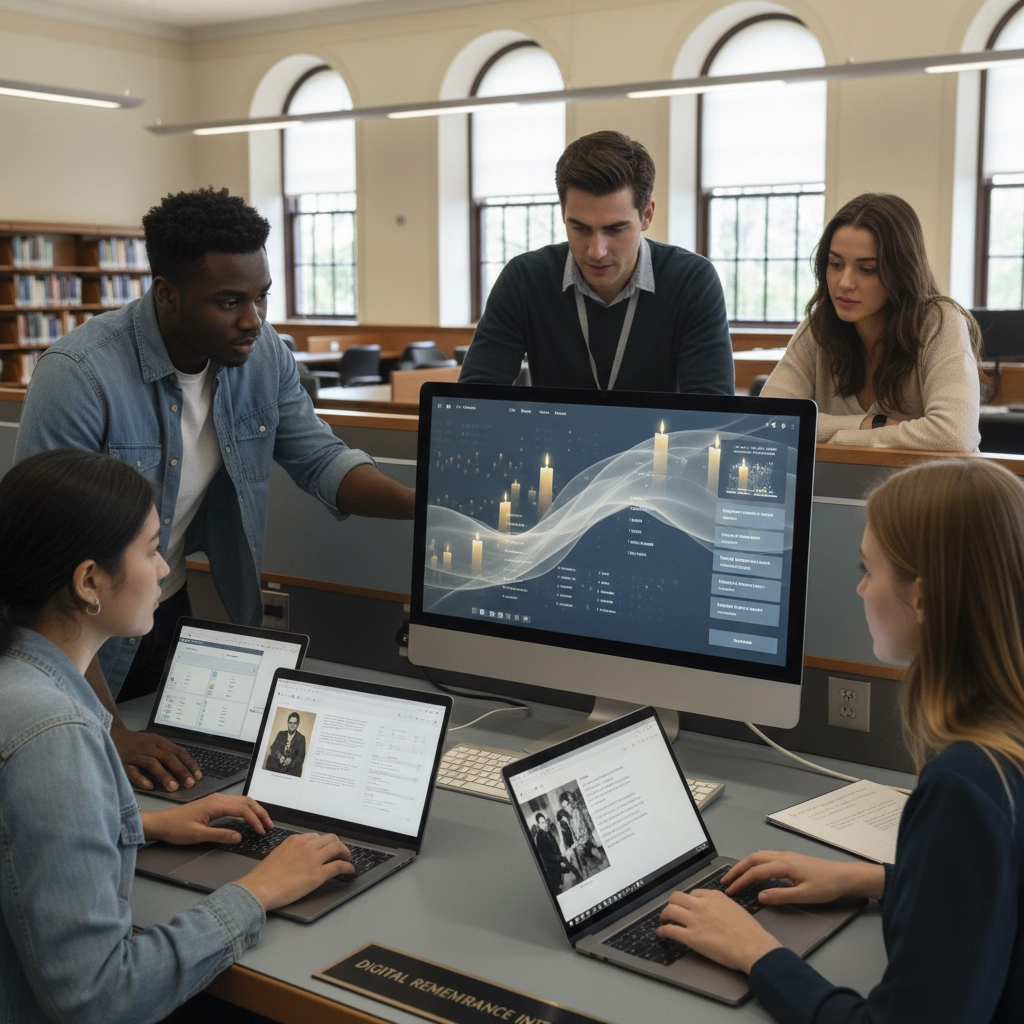
Create meaningful participation opportunities that resonate with different groups within your campus ecosystem. Students respond well to interactive elements like multimedia submissions, collaborative storytelling, and peer-to-peer sharing features. Design your platform to accommodate various contribution types: written narratives, photo galleries, video testimonials, and audio recordings.
Develop structured programs that integrate virtual memorial work into existing courses. History, communications, digital media, and public administration programs offer natural partnerships for memorial project development. Students gain hands-on experience with digital archiving, community engagement, and historical research while contributing valuable content.
Establish clear submission guidelines that maintain quality while encouraging diverse perspectives. Provide templates, examples, and support resources that help contributors create meaningful additions to your memorial space. Consider hosting workshops or information sessions that demonstrate how community members can participate effectively.
Leverage campus events and memorial observances to drive awareness and participation. Veterans Day, Memorial Day, and other significant dates provide natural opportunities to promote your virtual memorial while connecting it to broader campus traditions.
Technical Implementation and Platform Selection
Choose technology platforms that balance functionality with user accessibility. Your virtual memorial should work seamlessly across devices and accommodate users with varying technical skills. Prioritize platforms that offer content management capabilities, search functionality, and social sharing features.
Consider partnering with your institution's IT department or educational technology specialists to ensure proper infrastructure support. Virtual memorials require reliable hosting, regular backups, and security measures that protect sensitive personal information shared by contributors.
Implement user-friendly content submission systems that don't require advanced technical knowledge. The easier you make participation, the more diverse and robust your memorial content becomes. Test your platform with representative users from different demographic groups before full launch.
Plan for scalability as your project grows. Start with core features and expand functionality based on user feedback and engagement patterns. Monitor analytics to understand how visitors interact with your memorial and adjust accordingly.
Content Management and Quality Control
Establish moderation procedures that maintain appropriate standards while respecting contributor perspectives. Develop clear policies regarding acceptable content, fact-checking procedures, and guidelines for handling sensitive or controversial submissions. Train your moderation team to handle emotional content with care and professionalism.
Create organized categorization systems that help visitors navigate your memorial effectively. Use consistent tagging, chronological organization, and search functionality to ensure meaningful content doesn't get lost in larger collections. Consider creating featured content sections that highlight particularly moving or educational contributions.
Implement quality assurance processes that verify factual accuracy while preserving personal narratives. Balance historical documentation with individual storytelling, recognizing that personal memories may differ from official records. Provide context when necessary without undermining the authenticity of personal experiences.
Develop backup and archival procedures that protect your memorial content long-term. Virtual memorials represent significant investments in community engagement and historical preservation. Ensure your content management practices meet professional archival standards.
Building Educational Integration
Connect your virtual memorial directly to academic programs and learning objectives. Create curriculum guides that help faculty incorporate memorial content into relevant courses. Develop research assignments that encourage students to contribute new content while meeting academic requirements.
Design digital literacy components that teach students valuable skills through memorial project participation. Students learn about digital archiving, multimedia storytelling, historical research methods, and community engagement while contributing meaningfully to your memorial.
Establish partnerships with local historical societies, veteran organizations, and community groups that enhance your memorial's educational value. These collaborations provide expert knowledge, additional content sources, and broader community connections that strengthen your project's impact.
Create assessment tools that measure educational outcomes from virtual memorial engagement. Track student participation rates, content quality improvements over time, and feedback from faculty who integrate memorial resources into their teaching.
Measuring Success and Long-term Sustainability
Define metrics that capture both quantitative engagement and qualitative impact. Monitor visitor statistics, contribution rates, and user interaction patterns alongside feedback about emotional resonance and educational value. Survey participants about their experiences and outcomes from memorial engagement.
Develop ongoing maintenance protocols that ensure your virtual memorial remains current and functional. Assign specific staff members responsibility for regular content review, technical updates, and community outreach. Plan annual reviews that assess project effectiveness and identify improvement opportunities.
Build fundraising strategies that support long-term sustainability. Virtual memorials require ongoing resources for hosting, maintenance, promotion, and content development. Consider creating endowment funds, alumni giving campaigns, or grant applications that provide stable funding.
Create succession planning that preserves institutional knowledge about your memorial project. Document processes, train multiple staff members in management procedures, and establish protocols for leadership transitions that maintain project continuity.
Implementing Your Action Plan
Start by assembling your planning committee and conducting a campus needs assessment. Survey potential users about their interests, technical capabilities, and preferred features for virtual memorial platforms. Use this feedback to guide your initial project design and feature prioritization.
Visit existing virtual memorial projects at similar institutions to identify best practices and potential challenges. Learn from their experiences and adapt successful strategies to your specific campus context and community needs.
Develop a phased rollout plan that allows you to test features and gather feedback before full implementation. Launch with a pilot group of engaged users who can provide detailed feedback and help refine your platform before broader campus promotion.
Your virtual memorial project represents more than technology implementation: it creates lasting connections between your campus community and the stories that define your institutional identity. Take the first step by reaching out to memorial technology specialists who can guide your planning process and connect you with resources for successful implementation.
Transform how your campus community engages with memory, history, and collective identity through thoughtfully designed virtual memorial spaces that honor the past while inspiring future generations of students and community members.