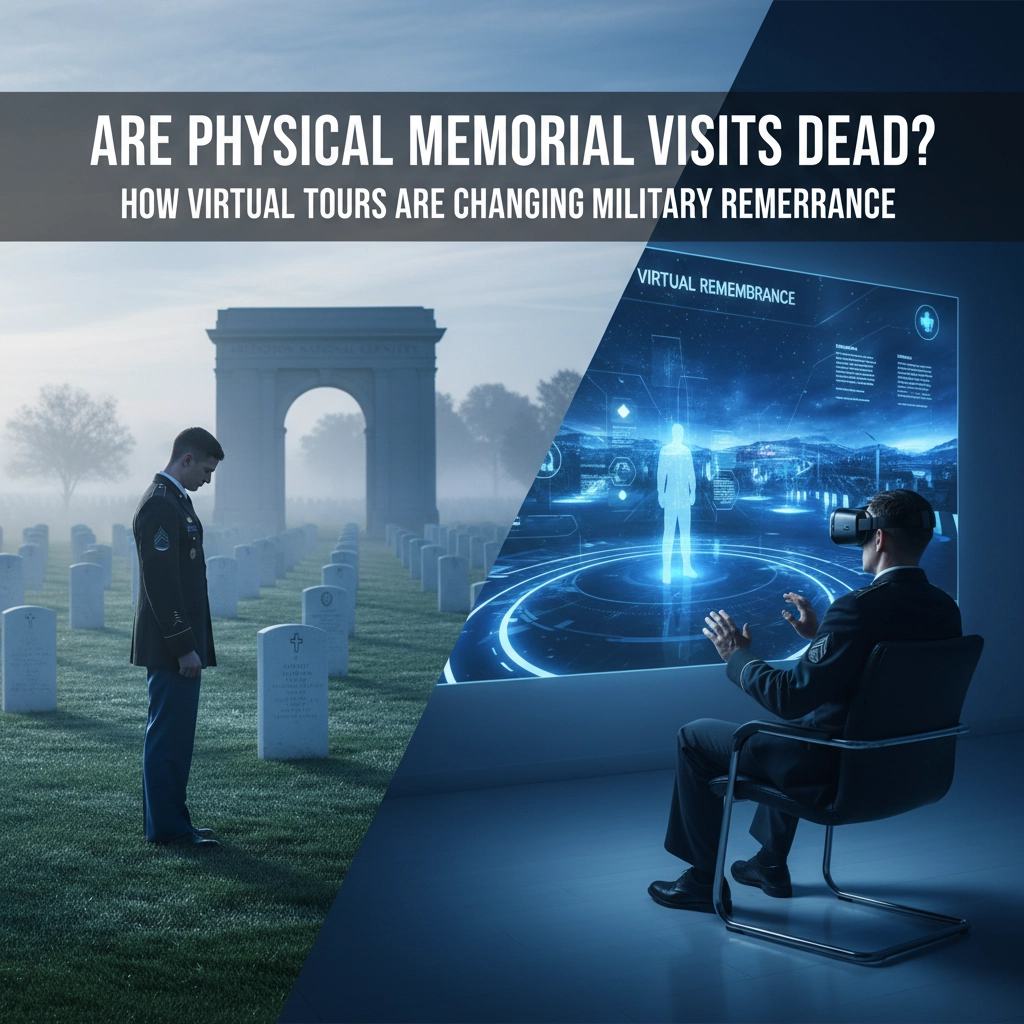
The headlines might have you believing that digital technology is killing traditional memorial visits. You've probably seen articles about virtual reality replacing "real" experiences and wondered if your family's pilgrimages to honor fallen heroes are becoming obsolete. But before you mourn the death of physical memorial visits, examine what's actually happening in the world of military remembrance.
Physical memorial visits aren't just surviving: they're thriving. At the same time, virtual tours are creating unprecedented opportunities for connection and remembrance. Your understanding of this shift will determine how effectively you can honor your loved ones and preserve their legacies for future generations.
Physical Memorial Visits Are Stronger Than Ever
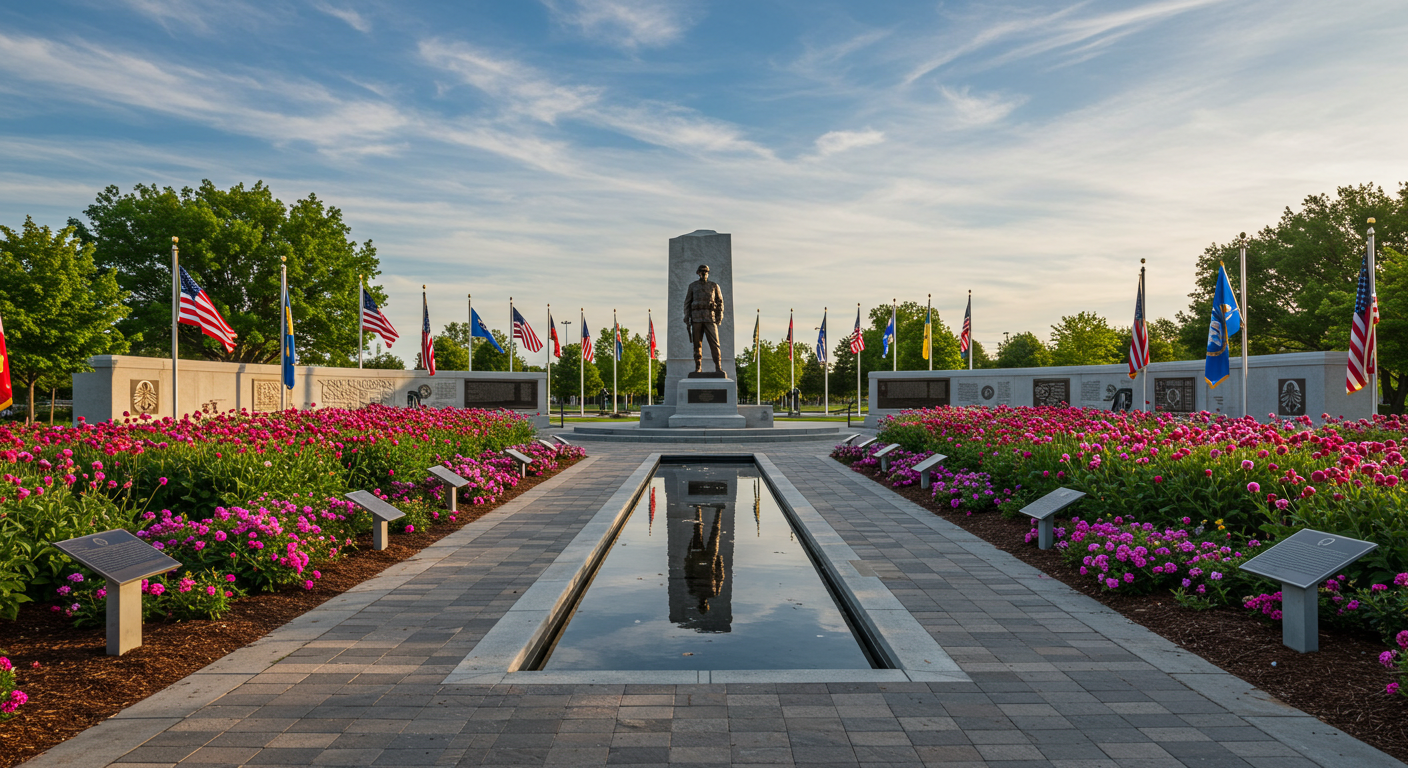
Your concerns about declining memorial attendance don't match the reality on the ground. The Vietnam Veterans Memorial recorded an astounding 5,295,711 visitors in 2024, representing a 5.1% increase from the previous year. These numbers translate to over 14,400 people visiting daily, making it the 10th most-visited park site in the United States.
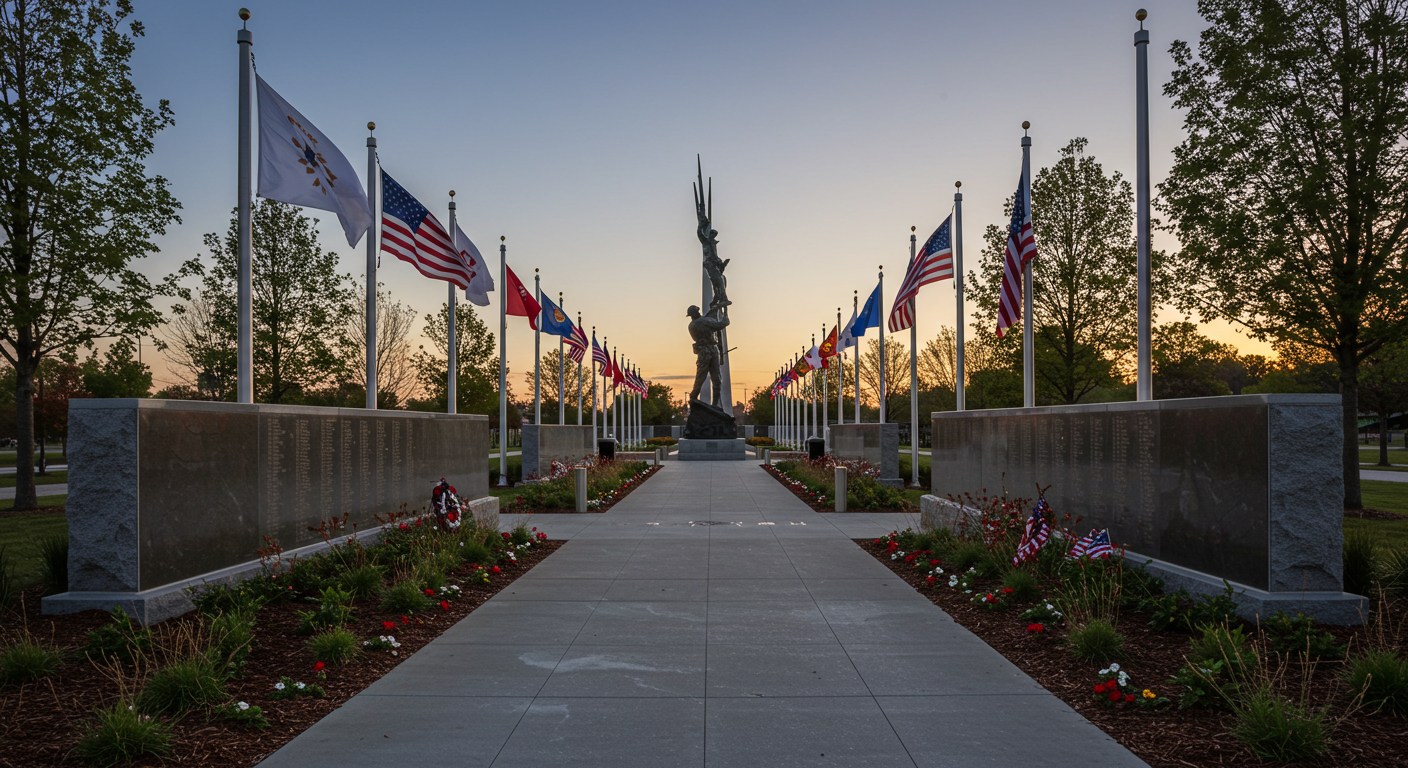
Walk through Arlington National Cemetery on any given day, and you'll witness families from across the country making emotional pilgrimages to honor their fallen. You'll see aging veterans touching names on memorial walls, Gold Star mothers leaving flowers at gravesites, and children learning about service and sacrifice through direct experience. These moments of connection remain irreplaceable and continue growing in frequency.
Your physical presence at a memorial site creates an emotional resonance that no technology can fully replicate. The weight of standing where heroes are honored, the silence that surrounds you, and the tangible connection to history provide experiences that millions of Americans actively seek each year.
Virtual Tours Fill Critical Accessibility Gaps
While physical visits flourish, virtual memorial technology addresses a heartbreaking reality: many of those who most deserve to visit these sacred spaces never will. Consider that America loses over 200 World War II veterans daily. Your aging family members who served may face mobility challenges, health limitations, or geographic constraints that make memorial visits impossible.
The Honor Everywhere Virtual Reality Program, operating since 2015, provides free virtual tours of major war memorials including the Vietnam War Memorial, World War II Memorial, Korean War Memorial, and Arlington National Cemetery. These immersive 3D experiences allow veterans and their families to encounter these spaces with unprecedented accessibility.
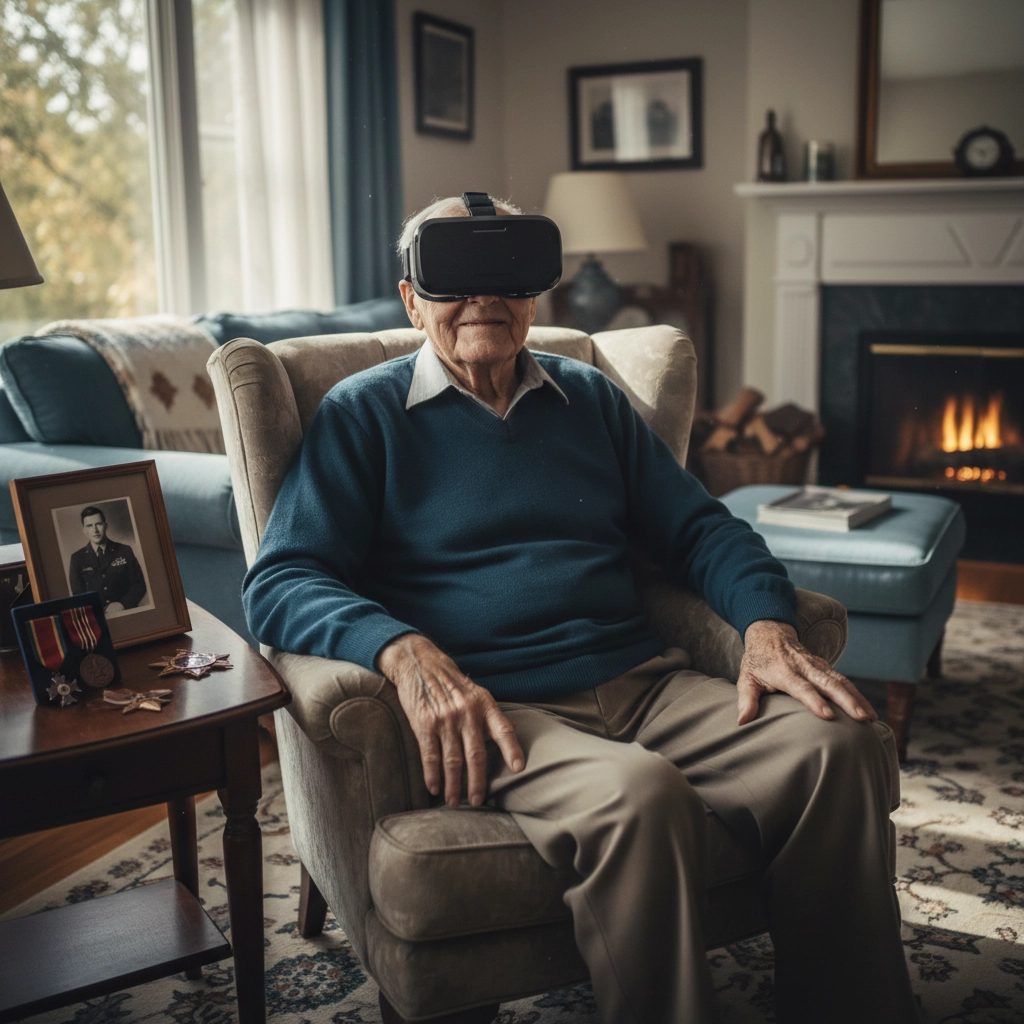
Listen to how one Vietnam veteran described his virtual memorial experience: "Hearing the music, seeing the grounds and listening to the guide was an amazing experience. It made me feel seen as a Vietnam Veteran." Your family members who cannot travel can now experience the honor and recognition they deserve through technology that brings memorials directly to them.
The American Battle Monuments Commission has expanded this accessibility by creating 30 virtual 360-degree photo experiences of overseas military cemeteries and domestic memorials. These initiatives specifically target families who cannot afford international travel to visit loved ones buried in foreign soil where they fell defending freedom.
Technology Enhances Rather Than Replaces Memorial Experiences
Your memorial experiences don't have to choose between physical and virtual: they can embrace both. Emerging technologies create layered memorial encounters that deepen rather than diminish traditional remembrance practices.
Augmented Reality (AR) overlays digital content onto physical memorial sites, allowing you to access additional information, historical context, and personal stories while standing at the actual location. Scan a QR code at a veteran's gravesite, and you can immediately access their service records, unit history, and family memories that wouldn't fit on a traditional headstone.
Virtual Reality (VR) creates fully immersive experiences that transport you to memorial sites regardless of your physical location. Your homebound veteran can virtually walk through the Korean War Veterans Memorial, experiencing the emotional impact of the memorial while accessing detailed information about specific battles and fallen comrades.
These technologies serve your family's memorial needs by creating multiple entry points for remembrance. Your children can explore memorial sites virtually before visiting in person, deepening their understanding and appreciation. Your disabled family members can participate in memorial ceremonies through virtual attendance when physical presence isn't possible.
Digital Preservation Ensures Lasting Legacy
Your loved one's military legacy faces threats that physical memorials alone cannot address. Stone deteriorates, weather damages plaques, and traditional memorial information remains static. Digital memorial preservation creates dynamic, continuously updated tributes that grow with time and family contributions.
Online platforms now preserve veterans' legacies through photographs, videos, service records, and family stories that traditional memorials cannot accommodate. Your family can add new memories, share personal anecdotes, and connect your veteran's individual service to broader military history and unit narratives.
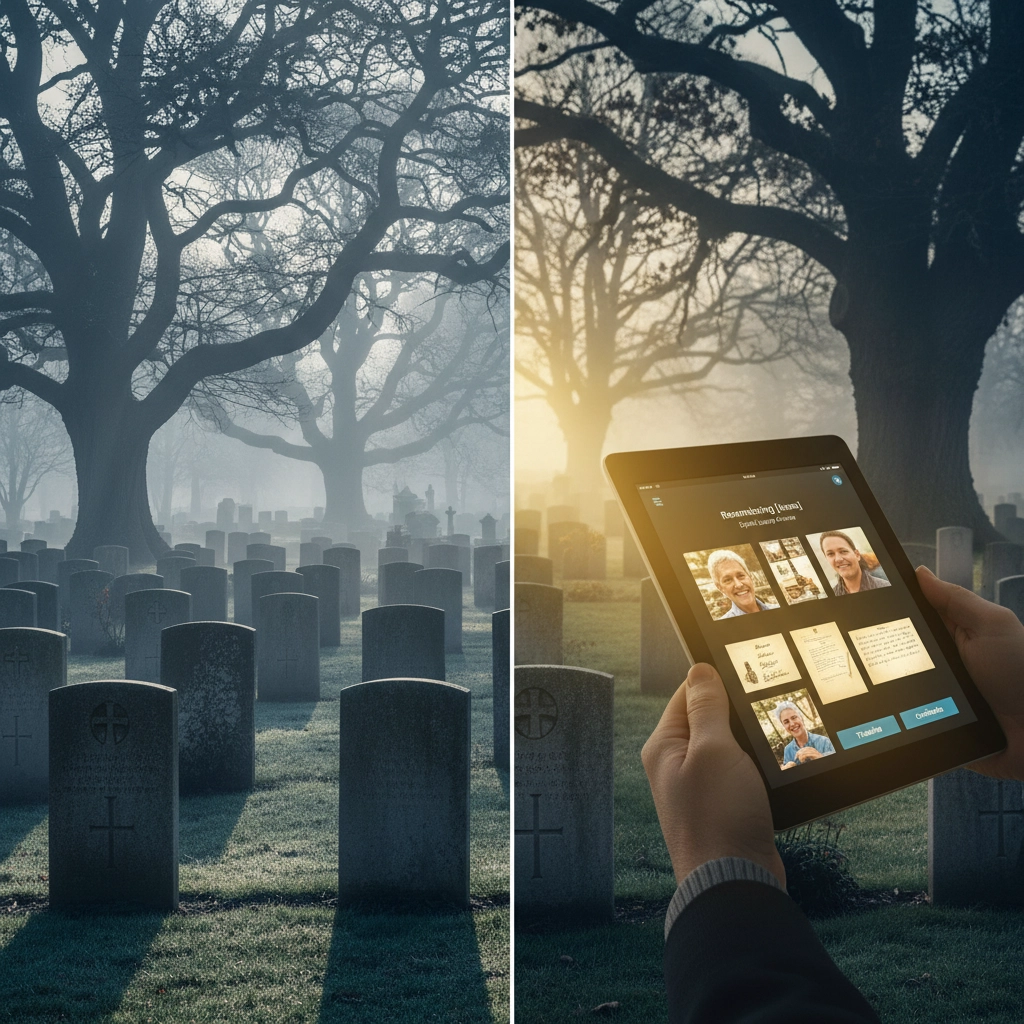
Consider how digital preservation enhances your memorial planning. Traditional headstones provide limited space for information, forcing families to condense entire military careers into a few words. Digital memorials allow comprehensive storytelling that includes deployment histories, battle participation, awards and commendations, and personal reflections from fellow service members.
Your family's memorial contributions become searchable and shareable, connecting your veteran to other families with similar service experiences. Military unit histories, battle narratives, and service branch traditions link individual stories to larger military heritage contexts that enrich understanding for current and future generations.
Reaching New Audiences Through Virtual Accessibility
Your memorial preservation efforts reach exponentially larger audiences through virtual technology. Physical memorial sites, regardless of their significance, limit visitors to those who can travel to specific locations. Virtual tours eliminate geographic barriers, allowing global audiences to experience American military memorials and learn about service and sacrifice.
Educational institutions now integrate virtual memorial experiences into military history curricula, exposing students to memorial sites they would never visit otherwise. Your veteran's story, preserved digitally, can inspire young people across the country who learn about military service through virtual memorial encounters.
International audiences gain access to American military memorials through virtual technology, fostering greater understanding of American military sacrifice among allied nations. Foreign dignitaries, military personnel, and civilians can experience the emotional impact of sites like Arlington National Cemetery without international travel.
The Future of Military Remembrance
Your approach to military remembrance will increasingly blend physical pilgrimage with digital enhancement. Future memorial sites will seamlessly integrate traditional elements with interactive technology, creating richer experiences for all visitors.
Imagine visiting a military cemetery where your smartphone provides instant access to every veteran's service history, unit information, and family stories. Picture memorial walls that display rotating digital tributes alongside traditional engravings, allowing families to share videos, photographs, and personal messages that bring static memorials to life.
Your family's memorial planning should consider both immediate needs and long-term preservation. Physical memorial elements provide permanent, tangible focus points for remembrance, while digital components ensure accessibility, enhance information sharing, and create opportunities for ongoing family contributions.
Virtual memorial technology will continue expanding accessibility for aging veterans, military families separated by geography, and future generations who deserve connection to military heritage. Your memorial decisions today should embrace technologies that complement rather than compete with traditional remembrance practices.
Take Action to Preserve Your Veteran's Legacy
Your veteran's story deserves preservation through every available avenue. Start by documenting their military service through photographs, service records, and family memories before these materials deteriorate or become lost. Consider how digital preservation can enhance traditional memorial planning by creating comprehensive legacy documentation that future generations can access and contribute to.
Explore virtual memorial options that serve your family's specific needs. If your aging relatives cannot visit memorial sites in person, investigate virtual reality programs that bring these experiences directly to them. Research digital memorial platforms that allow ongoing family contributions and connections to broader military history contexts.
Connect with Veteran Memorial Project to learn how QR code technology can bridge physical and digital memorial experiences. Discover how your family can create lasting digital legacies that honor your veteran's service while ensuring their story remains accessible for generations to come.
Your veteran served to protect the freedoms we cherish. Honor that service by preserving their legacy through every available means: physical, digital, and virtual: ensuring their sacrifice is never forgotten and their story continues inspiring others long after we're gone.