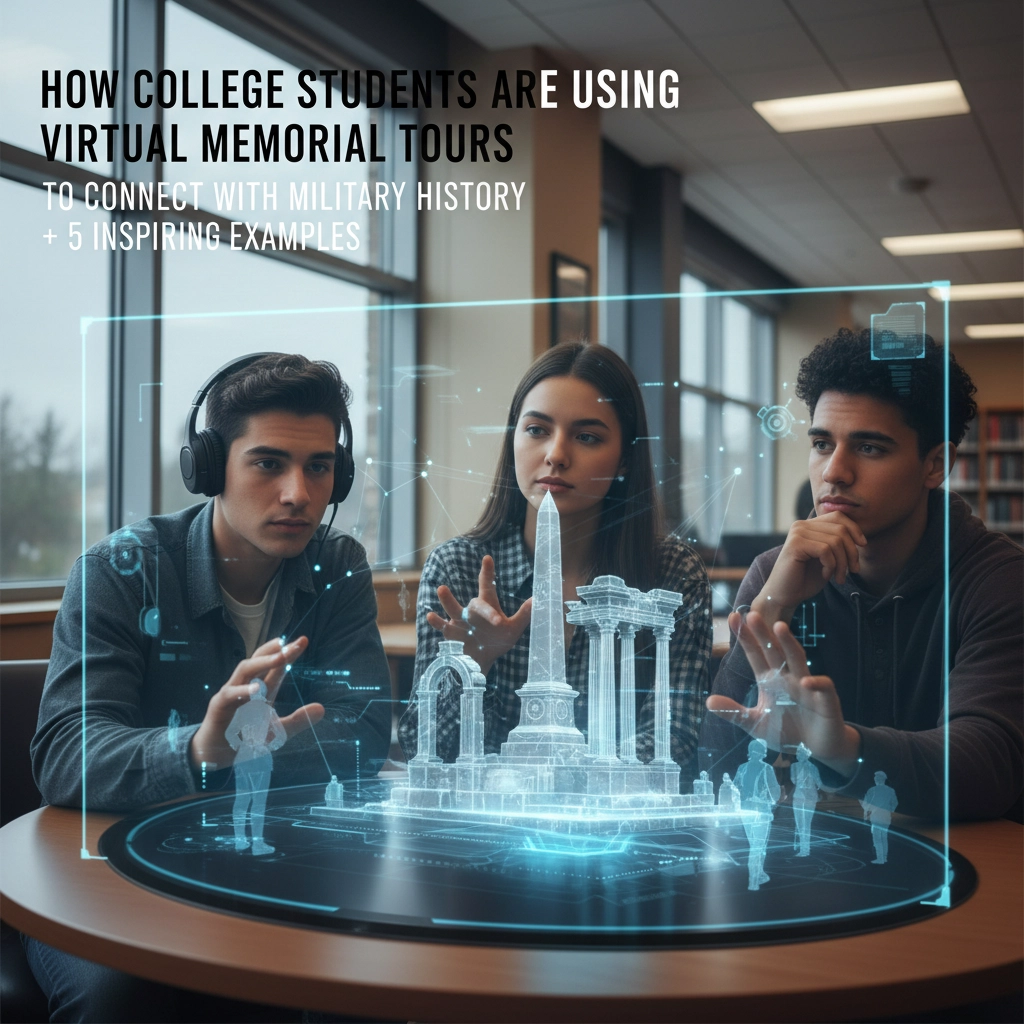
Your textbooks can only tell you so much about military history. Real connection happens when you step into the stories, explore the battlefields, and witness the memorials that honor our nation's heroes. Thanks to cutting-edge virtual tour technology, you don't need a plane ticket or semester abroad to experience these powerful historical sites.
Virtual memorial tours are revolutionizing how college students engage with military history. These immersive digital experiences eliminate geographic barriers while providing unprecedented access to historical sites, artifacts, and personal stories that bring the past to life.
Why Virtual Memorial Tours Transform Your Learning Experience
Traditional classroom learning scratches the surface of military history. You read dates, memorize battle names, and study strategic outcomes. Virtual memorial tours dive deeper into the human experience behind these historical events.
These digital platforms connect you directly with primary sources, artifacts, and first-hand accounts of service members. You explore specific historical narratives and understand the personal dimensions of military service that textbooks often overlook.
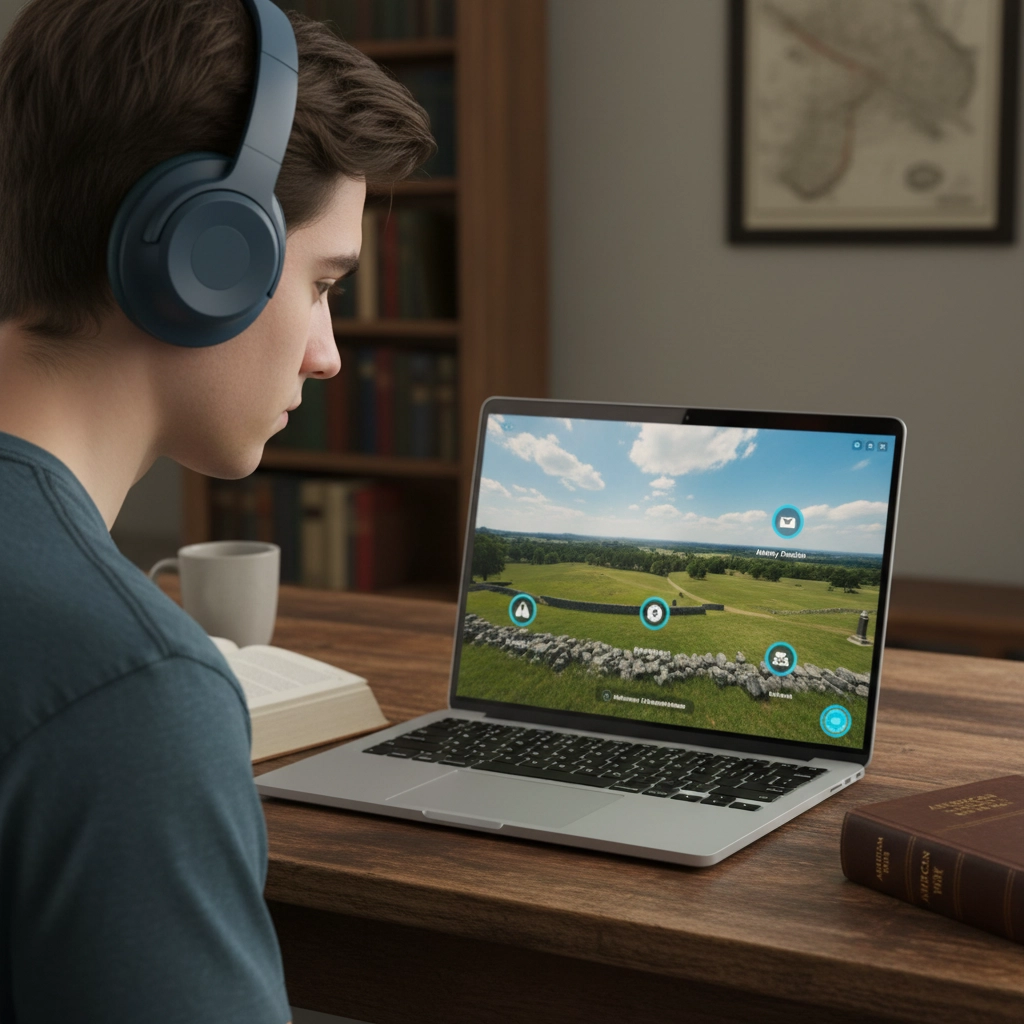
The interactive nature of virtual tours engages multiple learning styles simultaneously. You click through detailed points of interest, navigate 360-degree panoramic views, and access accompanying educational materials that create a comprehensive understanding of how historical events actually unfolded.

Breaking Down Geographic and Financial Barriers
Your college budget doesn't have to limit your historical education. Virtual memorial tours democratize access to world-class historical sites and museums that would otherwise require expensive travel arrangements.
You gain the same educational value whether you're studying from your dorm room or a library computer lab. These tours eliminate the financial burden of travel while providing experiences that rival in-person visits to historical sites.
The flexibility of virtual tours fits perfectly into your academic schedule. You explore at your own pace, revisit sections for deeper study, and integrate these experiences seamlessly into research projects and coursework.
Five Inspiring Examples That Will Transform Your Understanding
1. National Museum of the U.S. Army Virtual Field Trips: Uncovering Untold Stories
The National Museum of the U.S. Army offers specialized virtual lessons that expose you to diverse military experiences often overlooked in standard curricula. You discover the remarkable stories of the Harlem Hellfighters of World War I, learning how African American soldiers overcame discrimination to serve with extraordinary valor.
Explore the unique contributions of the Hello Girls, female telephone operators who served overseas during WWI, or dive into the experiences of Nisei soldiers who fought for America while their families faced internment. These virtual field trips reveal the complex human stories behind major historical events.
The museum's virtual tours also highlight the Monuments Men, who protected European cultural heritage during WWII, demonstrating how military service extends beyond combat to preserve civilization itself.
2. American Battlefield Trust: Walking Historic Battlegrounds Digitally
Transform your understanding of pivotal American conflicts through the American Battlefield Trust's immersive 360-degree virtual tours. You navigate actual Civil War and Revolutionary War battlefields, including detailed explorations of Antietam and Gettysburg, with clickable tour points that reveal tactical decisions and their consequences.
These virtual battlefield experiences place you in the footsteps of soldiers, helping you understand terrain challenges, strategic positioning, and the human cost of major battles. You examine primary source documents, maps, and artifacts that illuminate decision-making processes during critical moments in American history.
The interactive elements allow you to compare different phases of battles, understand how geographic features influenced outcomes, and appreciate the scale of historical events in ways that traditional maps and descriptions cannot convey.
3. National Mall War Memorials: Honoring Service Through Digital Remembrance
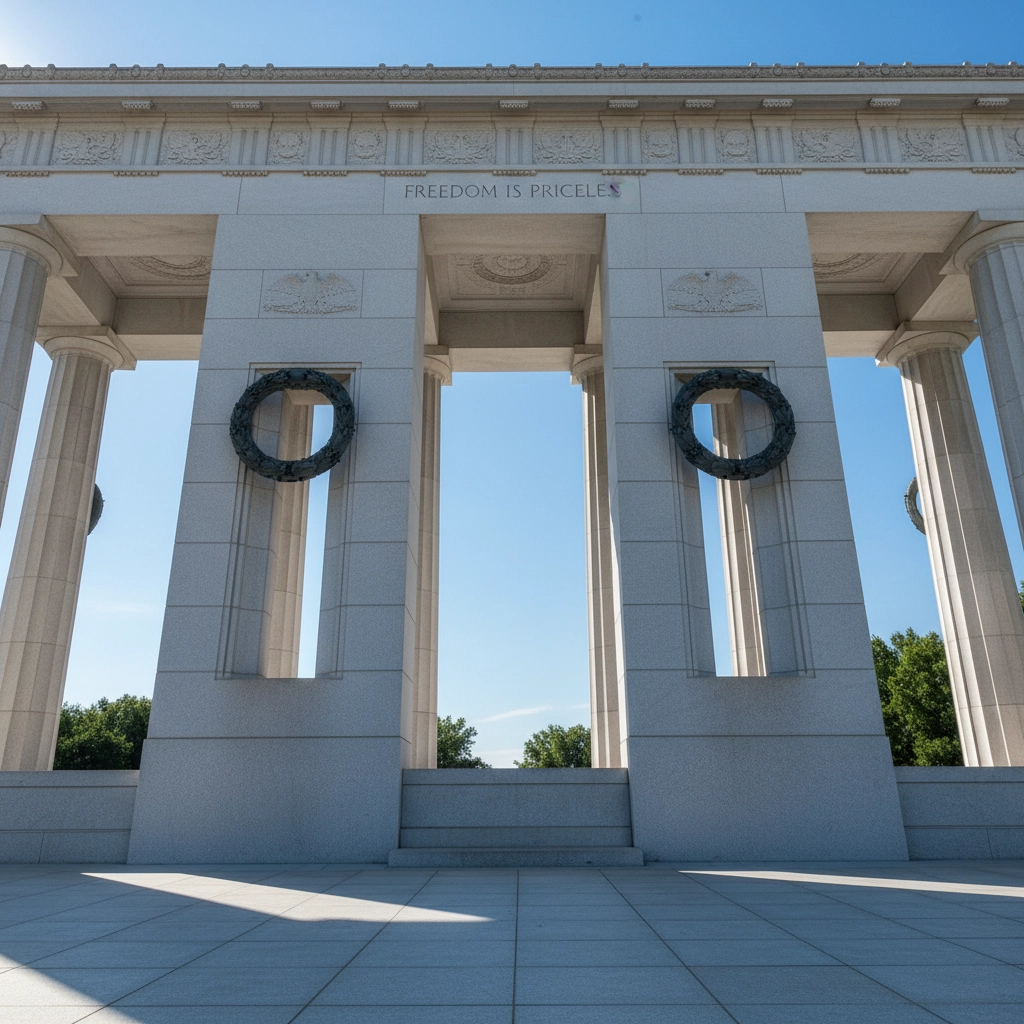
Virtual access to iconic memorials on the National Mall provides profound opportunities to understand how our nation honors military service. You explore the World War II Memorial's symbolic design elements, learning how architectural choices commemorate specific aspects of the war experience.
Navigate the Korean War Veterans Memorial's powerful sculptural elements and discover the stories behind the Vietnam Veterans Memorial's creation. These virtual tours reveal the careful thought and community input that shaped these sacred spaces.
You access detailed information about design processes, dedication ceremonies, and the ongoing role these memorials play in national remembrance. This deeper understanding enhances your appreciation for how public memory shapes our collective identity.
4. American Battle Monuments Commission: Global Military Heritage Exploration
The ABMC's virtual 360-degree tours transport you to 26 cemeteries and 31 federal memorials across 17 countries, honoring more than 200,000 U.S. service members. You explore Normandy American Cemetery, witnessing the scope of D-Day sacrifices through carefully maintained grounds and memorial walls.
These international virtual tours provide global perspective on American military involvement in world conflicts. You examine how different cultures and locations commemorate American service, understanding the international dimension of military history.
The detailed virtual explorations include historical context about specific conflicts, biographical information about service members, and insights into the ongoing diplomatic relationships these memorials represent.
5. Vietnam Veterans Memorial Wall of Faces: Personal Stories Behind the Statistics
The Vietnam Veterans Memorial Fund's digital platform transforms how you connect with individual service members' experiences. The "Wall of Faces" database allows you to explore personal stories, photographs, and biographical information about the 58,000+ names inscribed on the memorial.
You discover the human stories behind statistical casualty numbers, learning about service members' backgrounds, their reasons for serving, and the communities they left behind. This personal approach to military history creates emotional connections that enhance your understanding of war's impact on families and communities.
The self-guided virtual tour includes historical information about the memorial's controversial creation process, revealing how communities work through grief and remembrance in the aftermath of conflict.
Maximizing Your Virtual Tour Learning Experience
Prepare for each virtual tour by researching historical context beforehand. You'll appreciate nuanced details and symbolic elements more fully when you understand the broader historical framework surrounding specific conflicts or memorials.
Take detailed notes during your virtual explorations, focusing on personal stories and primary source materials you encounter. These details often provide the most powerful insights for research projects and class discussions.
Connect your virtual tour experiences with current events and contemporary military issues. Understanding historical patterns helps you analyze modern military policies and international relations more effectively.
Creating Meaningful Academic Connections
Integrate your virtual tour experiences into research papers and class presentations. The primary source materials and personal stories you discover through these platforms provide compelling evidence for academic arguments about military history and its ongoing relevance.
Collaborate with classmates to explore different virtual tours and share discoveries. Group discussions about virtual tour experiences often reveal perspectives and insights you might miss exploring independently.
Consider how virtual memorial tours connect to your field of study. These historical insights enhance understanding across disciplines, from political science and international relations to psychology and sociology.
The Future of Military History Education
Virtual memorial tours represent just the beginning of technological innovation in historical education. As virtual reality and augmented reality technologies continue advancing, your access to immersive historical experiences will become even more sophisticated and engaging.
These digital platforms are democratizing historical education, ensuring that financial limitations and geographic constraints don't prevent you from accessing world-class historical resources. Your generation has unprecedented opportunities to engage with military history through these innovative learning tools.
Start exploring these virtual memorial tours today. Your understanding of military history, appreciation for service member sacrifices, and connection to our nation's heritage will be forever changed by these powerful digital experiences that bring the past into immediate, personal focus.